🎵 Music · 10 Questions
90s Music Trivia Quiz: How Well Do You Remember the Decade?
Grunge, girl power, boy bands, and the birth of Napster — the 90s crammed more musical change into ten years than almost any decade before it. Score 8 or higher and you were clearly paying attention.
90s Music Trivia Quiz — 10 Questions to Test Your Knowledge of the Decade
No decade shifted musical gears quite like the 90s. It opened with grunge tearing up the rulebook, cruised through a golden age of R&B and hip-hop, watched Britpop turn into a national obsession in the UK, and closed out with teen pop and boy bands taking over MTV's TRL countdown every afternoon. Underneath it all, a scrappy file-sharing app called Napster quietly rewired how an entire generation would discover music forever.
This 90s music trivia quiz covers 10 questions spanning grunge, girl groups, hip-hop, Britpop rivalries, and the tech that upended the industry — from Nirvana's breakthrough to the Spice Girls' "Wannabe" to TLC's "Waterfalls." Each question comes with a short explanation, so whether you nail it or not, you'll walk away with a new fact about the decade.
No registration required. No timers. Just pure 90s music knowledge — pick your answer and see how close you get to a perfect score.
Fun Facts About 90s Music You Probably Didn't Know
Three decades later, the 90s music scene still has plenty of trivia worth revisiting:
💿 Napster Peaked Fast, Then Vanished
Napster reportedly reached around 80 million registered users at its height before a wave of record-label lawsuits forced it offline in 2001 — barely two years after it launched.
🎵 Nirvana Almost Didn't Release "Nevermind" That Way
The band initially wanted a rawer mix of the album, but producer Butch Vig's polished sound helped "Smells Like Teen Spirit" become a radio and MTV staple far beyond the usual grunge audience.
💎 The Spice Girls Sold Out Fast
"Wannabe" became the best-selling single by a female group in UK chart history, and the group's debut album "Spice" went on to sell tens of millions of copies worldwide.
🎶 TLC Filed for Bankruptcy at Their Peak
Despite "CrazySexyCool" selling over 10 million copies in the US, TLC famously filed for bankruptcy in 1995 due to unfavorable contracts and expenses, even as their music dominated the charts.
📺 TRL Made Countdown Shows Must-See TV
MTV's "Total Request Live" turned music video rankings into a live daily event outside its Times Square studio, with fans lining up to catch glimpses of artists like Britney Spears and *NSYNC.
🎤 The Chronic Reshaped Hip-Hop
Dr. Dre's 1992 solo debut "The Chronic" is widely credited with popularizing the G-funk sound and launching Snoop Dogg's career, reshaping West Coast rap for the rest of the decade.
Common 90s Music Myths — Busted
Decades of nostalgia have blurred a few facts about the era. Here's what's actually true:
- Myth: Grunge dominated the entire decade. Grunge peaked mostly in the early-to-mid 90s; by the late 90s, teen pop, boy bands, and hip-hop had largely taken over the mainstream charts.
- Myth: Napster invented digital music piracy. Unauthorized MP3 sharing existed before Napster through IRC channels and early websites — Napster simply made it dramatically easier and more mainstream.
- Myth: The Spice Girls were manufactured by a record label from day one. The five members actually formed the group themselves after answering a magazine audition ad, only signing with managers and a label afterward.
- Myth: Oasis and Blur hated each other the entire decade. While their 1995 chart rivalry was real and heavily publicized, both bands' members have since downplayed the personal animosity as largely exaggerated by the British press.
- Myth: Boy bands were a purely late-90s invention. Groups like New Kids on the Block paved the way in the late 80s and early 90s, well before Backstreet Boys and *NSYNC became global phenomena.

Why 90s Music Still Resonates With Listeners
Streaming data and constant nostalgia trends suggest a few key reasons the decade's music has stuck around:
Genre-Bending Became the Norm
The 90s normalized rapid shifts between grunge, hip-hop, Britpop, and pop within the same charts, giving the decade an eclectic identity that later playlists and nostalgia mixes still lean on heavily.
MTV Created Shared Cultural Moments
Before streaming fragmented listening habits, MTV's rotation and countdown shows meant huge audiences discovered the same songs and videos at the same time, creating collective memories tied to specific eras.
It Was the Last Pre-Streaming Decade
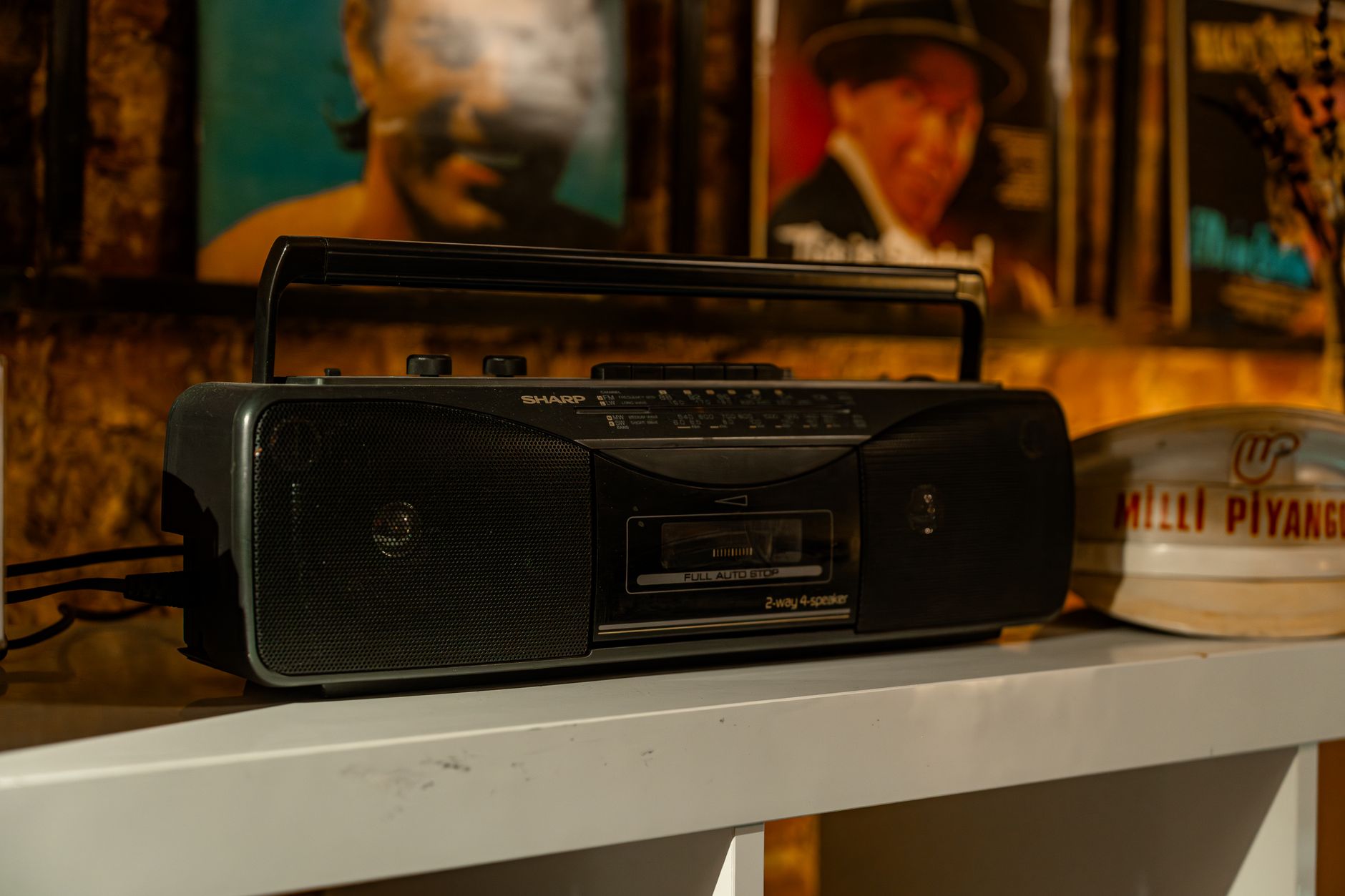
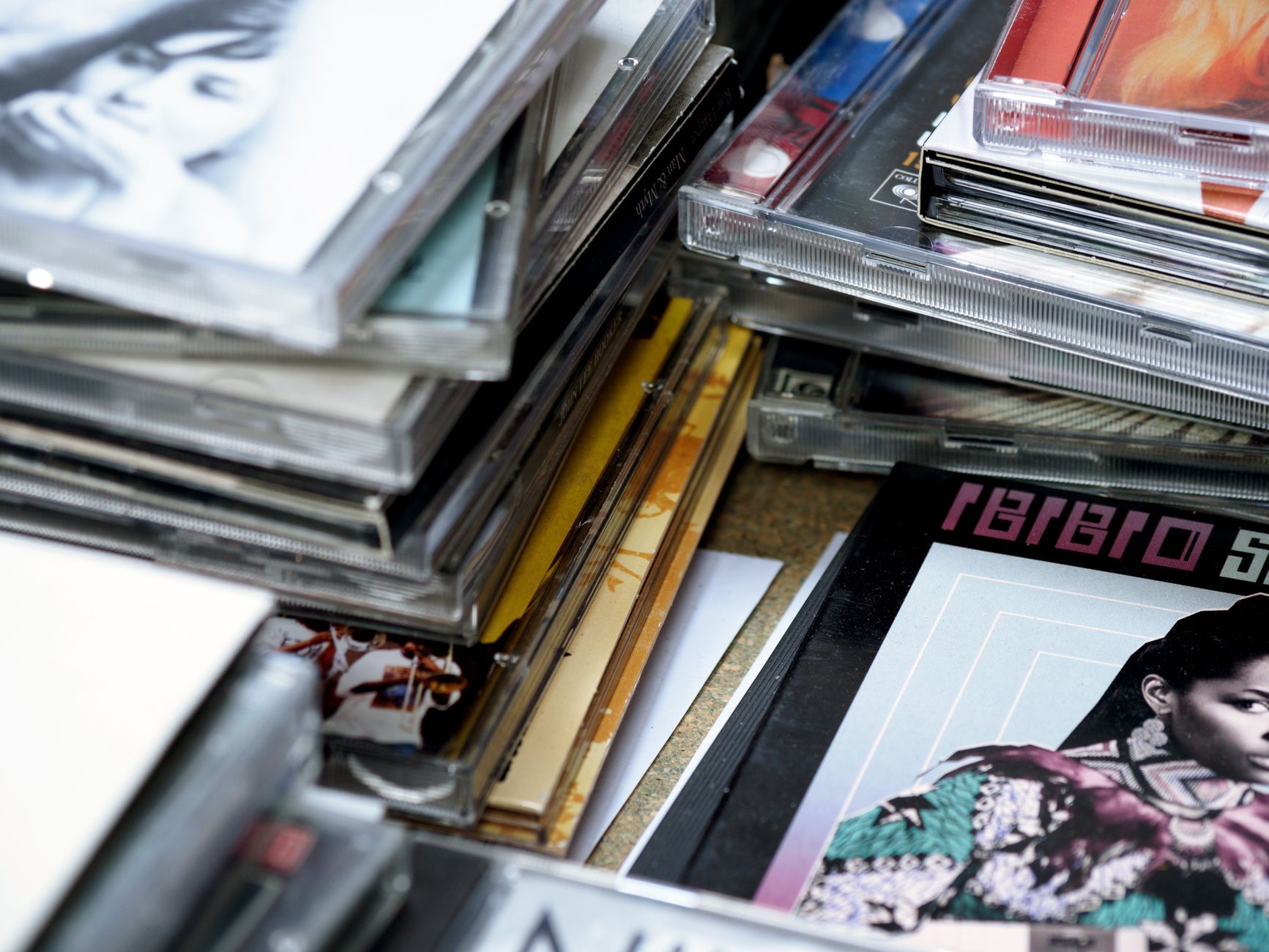
The 90s captured the tail end of physical music formats — cassettes, CDs, and early MP3s — right as Napster hinted at the digital shift to come, making it a genuine turning point in how people access music.
Frequently Asked Questions About 90s Music
What made 90s music so diverse compared to other decades?
The 90s saw grunge, Britpop, gangsta rap and G-funk, teen pop, and R&B girl groups all reach the mainstream at once, partly because MTV and radio still had massive shared audiences before music fragmented further with the internet.
How did Napster change the music industry in the 90s?
Napster, launched in 1999, let users share MP3 files for free over the internet. It exposed millions of people to digital music distribution years before legal streaming existed, and the resulting lawsuits reshaped how the industry approached piracy and online sales.
Which grunge bands defined the early 90s Seattle sound?
Nirvana, Pearl Jam, Soundgarden, and Alice in Chains are considered the "big four" of Seattle grunge, a raw, guitar-driven sound that dominated rock radio and MTV after Nirvana's "Nevermind" broke through in 1991.
What was Girl Power and where did the term come from?
"Girl Power" became a cultural catchphrase largely thanks to the Spice Girls, who used it in interviews and lyrics starting in 1996 to promote female friendship and confidence, turning it into one of the decade's most recognized slogans.
Did boy bands and teen pop dominate the whole decade?
Not quite — boy bands like Backstreet Boys and *NSYNC and teen pop stars like Britney Spears mostly took off in the late 90s, following earlier waves of grunge, Britpop, and hip-hop that defined the first half of the decade.