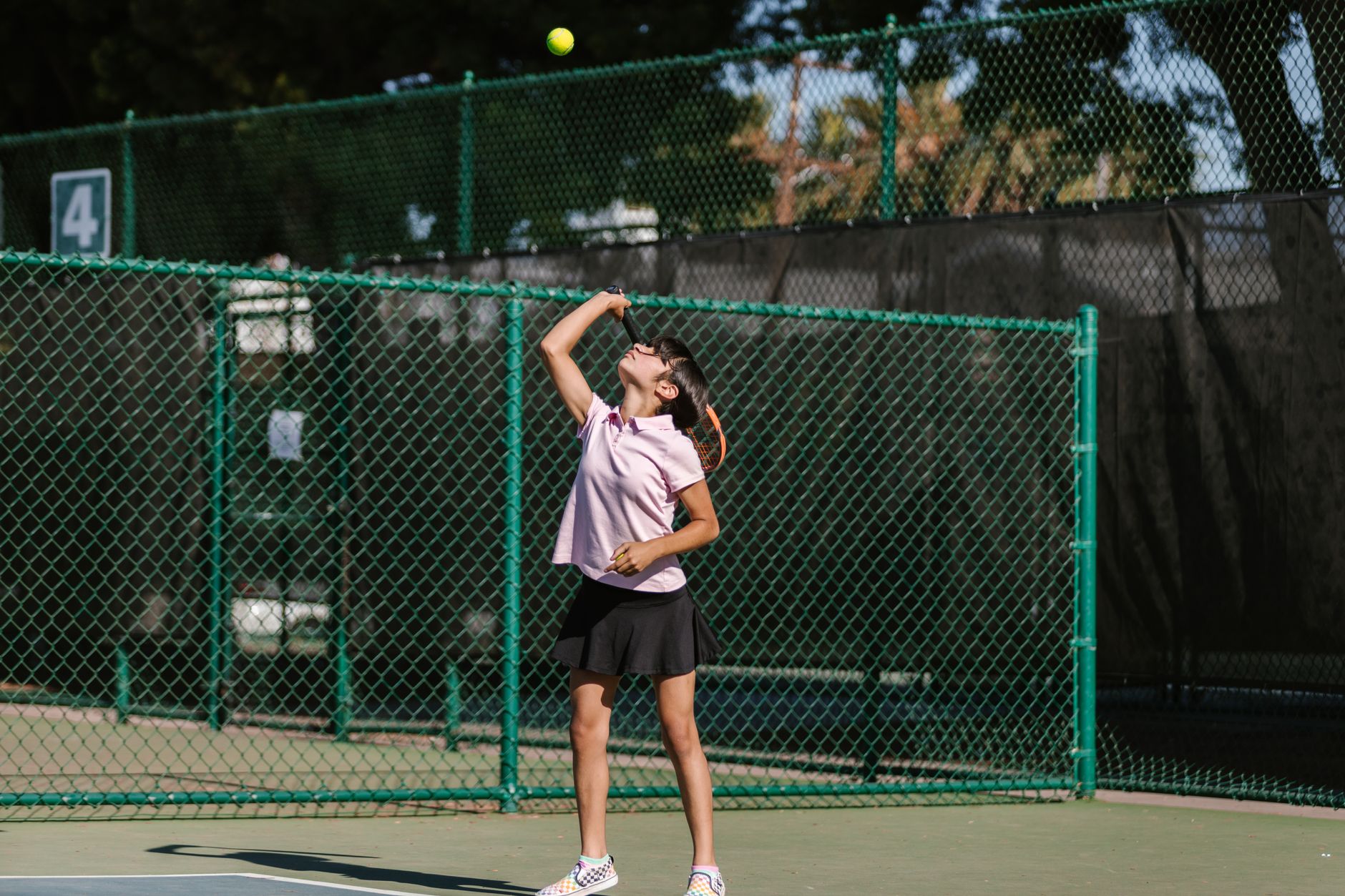
Tennis Trivia Quiz — 12 Questions to Test Your Knowledge
Tennis is one of the world's oldest professional sports, and its four Grand Slam tournaments have produced some of the most storied rivalries and records in athletics — from Djokovic, Nadal and Federer chasing 24 majors apiece to Serena Williams' 23 Open Era titles.
This tennis trivia quiz covers 12 questions spanning the Grand Slams, scoring quirks like "love" and the "bagel," legendary players and the rules that shape every match. Each question comes with a short explanation, so you'll pick up real tennis history either way.
No registration required. No timers. Just pure tennis knowledge — pick your answer and see how close you get to a perfect score.
Fun Facts About Tennis You Probably Didn't Know
More than a century after the first Wimbledon championship, there's still plenty of tennis trivia worth knowing:
🎾 Wimbledon Is the Oldest Tennis Tournament
First played in 1877, Wimbledon predates every other Grand Slam and still requires players to wear predominantly white.
🏆 Djokovic Leads the Men's Race
Novak Djokovic's 24 Grand Slam singles titles are the most by any man in tennis history, edging out Nadal and Federer.
👍 Serena Redefined the Women's Game
Serena Williams' 23 Grand Slam singles titles are the most of any player, man or woman, in the Open Era since 1968.
🍺 "Love" Comes From a French Word
Many historians trace tennis's "love" for zero to the French "l'oeuf" (the egg), which looks like a zero on the scoreboard.
🌅 Clay Slows the Game Down
Roland Garros' red clay produces higher bounces and longer rallies, favoring patient baseline players over serve-and-volley specialists.
📡 Hawk-Eye Changed Line Calls Forever
Electronic line-calling technology like Hawk-Eye now reviews close calls at every Grand Slam, replacing on-court challenges at several majors entirely.
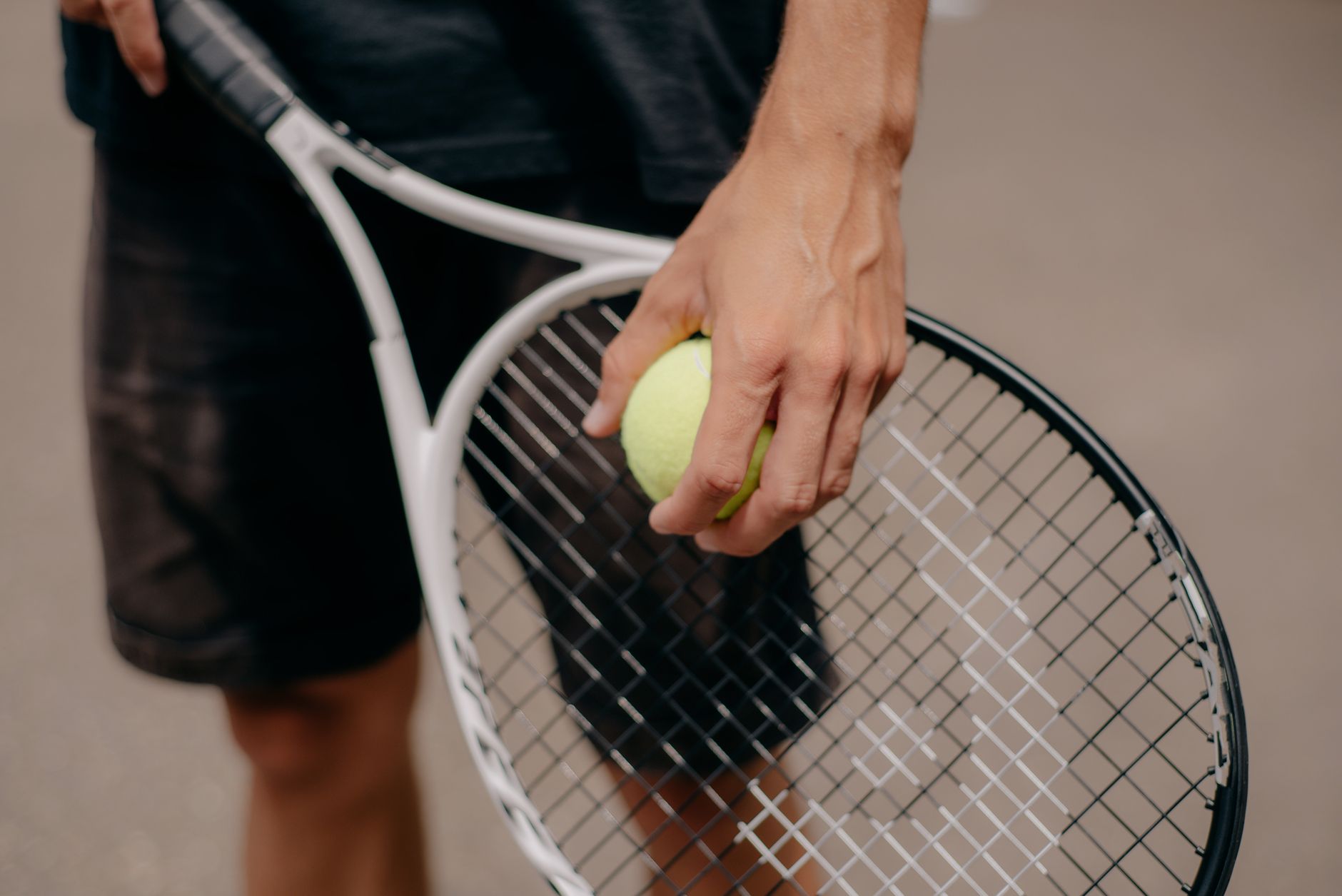
Common Tennis Myths — Busted
Decades of retelling have blurred a few facts about the game. Here's what's actually true:
- Myth: All four Grand Slams are played on the same surface. The Australian Open and US Open use hard courts, the French Open uses clay, and Wimbledon uses grass — each surface changes the speed and bounce of the ball dramatically.
- Myth: "Deuce" means the game is over. Deuce is a 40-40 tie that requires a player to win two consecutive points afterward to take the game — it can repeat several times before someone wins.
- Myth: Doubles is just singles with extra players. Doubles uses a wider court (including the tramlines) and different strategy, with teams typically favoring net play over baseline rallies.
- Myth: A "bagel" only happens rarely at the top level. While uncommon in Grand Slam finals, 6-0 sets happen regularly in early tournament rounds when there's a big skill gap between players.
- Myth: The server always wins the game. Servers hold a statistical edge, but a "break of serve" — when the returner wins the game — happens often enough to decide entire sets and matches.
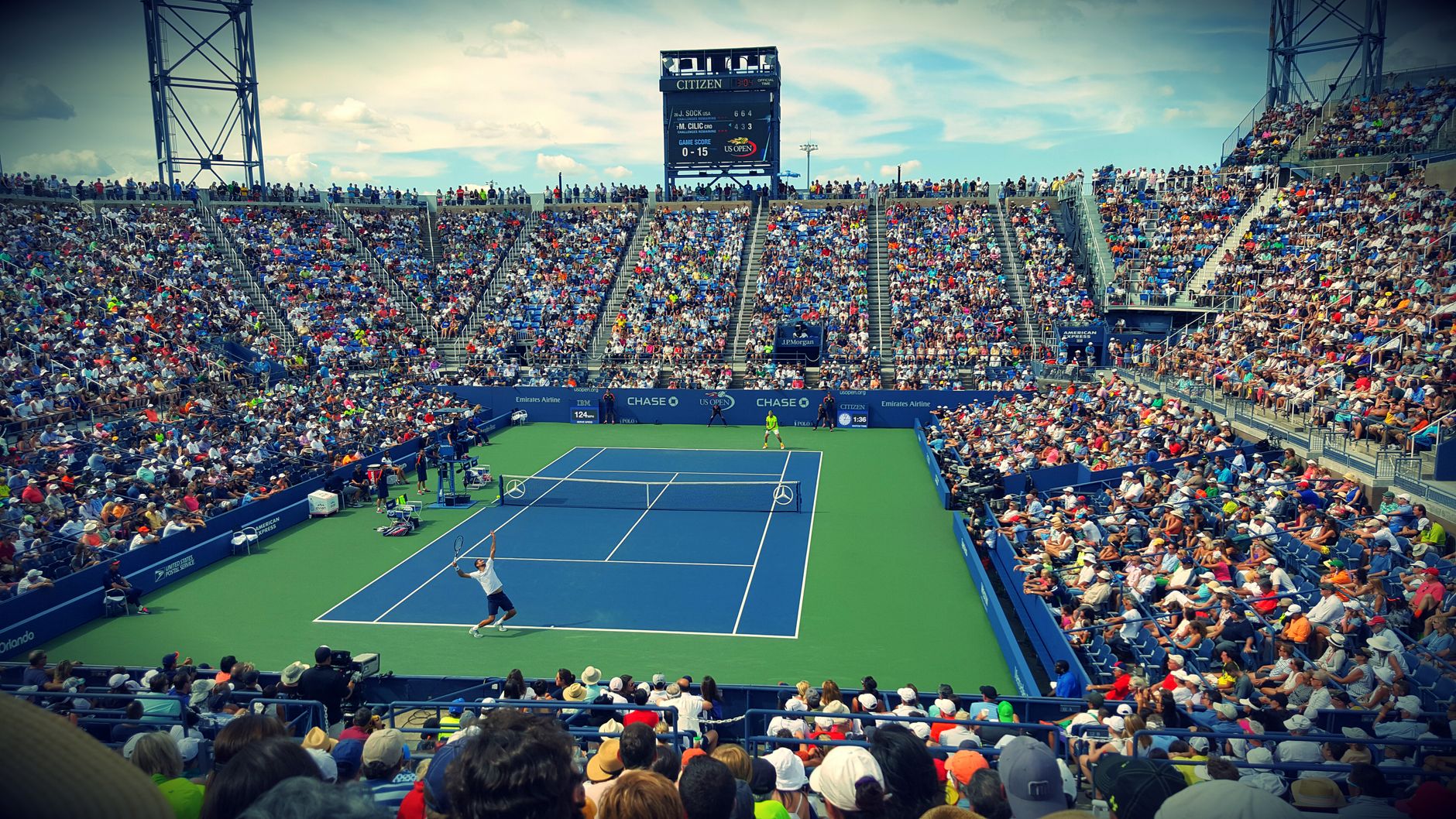
Why Tennis Still Captivates Fans
More than a century after the first Grand Slams began, a few things keep tennis central to global sports culture:
Four Surfaces, Four Different Games
Grass, clay and hard courts each reward different playing styles, giving the sport four distinct championships instead of one repeated format.
Rivalries Span Generations
From Federer-Nadal-Djokovic's "Big Three" era to the rise of new contenders, storied rivalries keep fans tuning in year after year.
It's a Truly Global Sport
With Grand Slams in Australia, France, England and the United States, tennis draws players and fans from every continent.
Frequently Asked Questions About Tennis
How many Grand Slam tournaments are there each year?
There are four Grand Slams each year: the Australian Open, the French Open, Wimbledon and the US Open.
Which Grand Slam is played on grass?
Wimbledon is the only Grand Slam still played on grass; the others use clay or hard courts.
Who has won the most men's Grand Slam singles titles?
Novak Djokovic holds the men's record with 24 Grand Slam singles titles, ahead of Rafael Nadal and Roger Federer.
What does "love" mean in tennis scoring?
"Love" means a score of zero, possibly derived from the French word for egg, "l'oeuf," which resembles the number.
What is a "bagel" in tennis?
A "bagel" is the nickname for winning a set 6-0, since the zero resembles the shape of a bagel.