Coffee Trivia Quiz — 12 Questions to Test Your Knowledge
Coffee is one of the most widely consumed drinks on the planet, and its story spans continents — from the highlands of Ethiopia where it was first discovered, to Brazil's vast plantations that now supply nearly a third of the world's beans.
This coffee trivia quiz covers 12 questions spanning coffee history, bean varieties, brewing methods and popular drinks like lattes and macchiatos. Each question comes with a short explanation, so you'll pick up real coffee knowledge either way.
No registration required. No timers. Just pure coffee knowledge — pick your answer and see how close you get to a perfect score.
Fun Facts About Coffee You Probably Didn't Know
Coffee has been fueling humans for over a thousand years, and there's still plenty of trivia worth knowing:
🍃 Brazil Grows a Third of the World's Coffee
Brazil has held the title of world's largest coffee producer for more than 150 years running.
🍇 Coffee Beans Aren't Really Beans
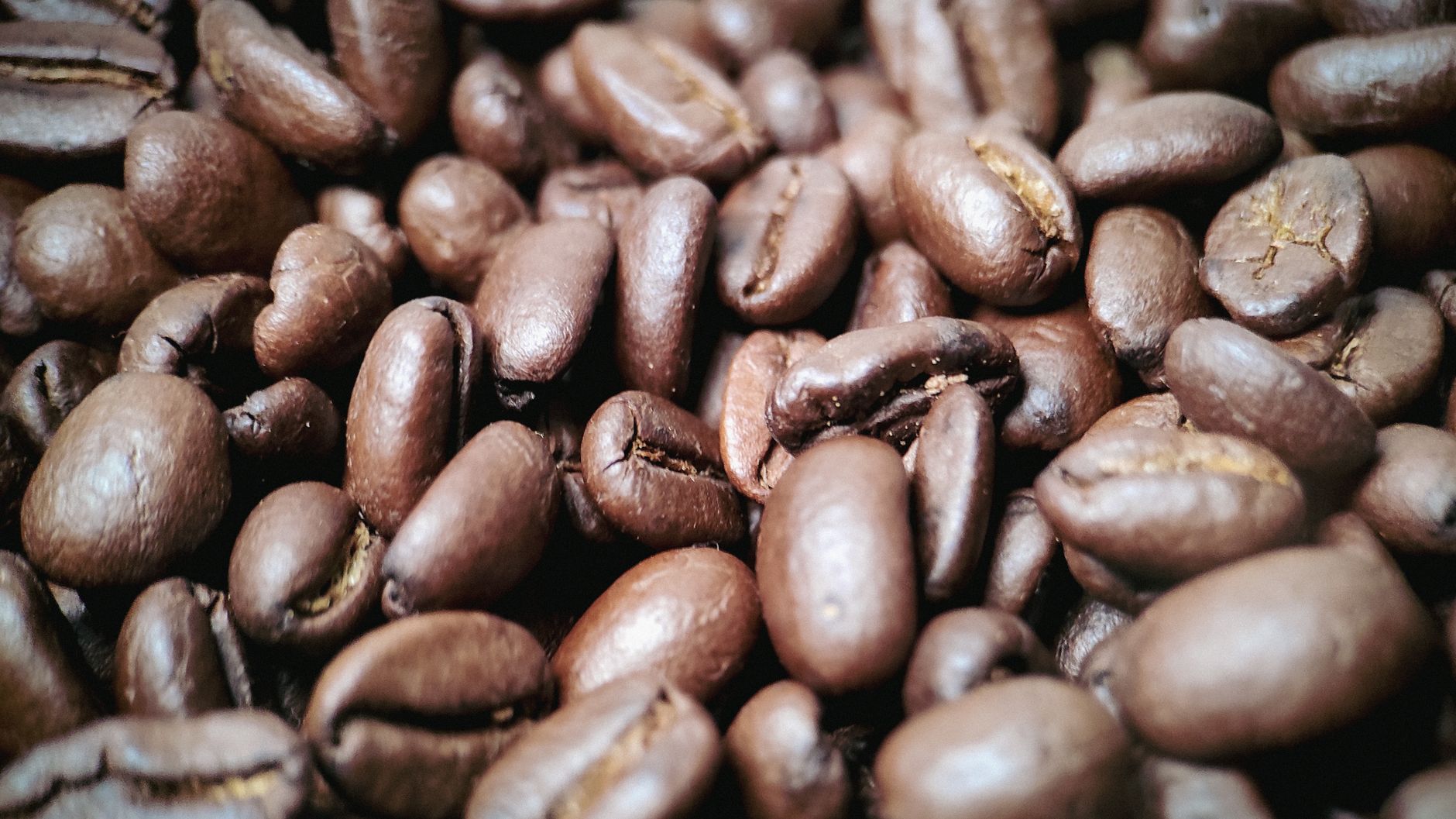
They're the seeds of a fruit called the coffee cherry — the "bean" name is just a common nickname.
🐊 Legend Credits a Goat Herder With Its Discovery
According to folklore, Ethiopian goat herder Kaldi noticed his goats got energetic after eating coffee cherries.
☕ Two Species Dominate Global Production
Arabica and Robusta beans together make up about 99% of the coffee grown worldwide.
🌍 There's a "Coffee Belt" Around the Equator
Coffee thrives in the tropical and subtropical band between the Tropics of Cancer and Capricorn, ideal for the plant's climate needs.
❄ Decaf Isn't 100% Caffeine-Free
Even decaffeinated coffee retains a small trace of caffeine — about 3% of the original amount remains after processing.
Common Coffee Myths — Busted
Decades of retelling have blurred a few facts about coffee. Here's what's actually true:
- Myth: Coffee is the world's second most-traded commodity after oil. This claim was true back in the 1970s but hasn't held up since — today coffee doesn't even crack the top 90 most-traded products globally, according to MIT's Observatory of Economic Complexity.
- Myth: Darker roasts have more caffeine. Roast level has little to do with caffeine content — it's actually determined more by bean type and brewing method than how dark the roast is.
- Myth: Espresso has more caffeine than drip coffee. A single shot of espresso has less total caffeine than a standard cup of drip coffee, though espresso is more concentrated per ounce.
- Myth: Cold brew is just iced coffee. Cold brew is steeped for 12-24 hours in cold water, while iced coffee is regular hot-brewed coffee simply cooled and poured over ice — they taste noticeably different.
- Myth: Coffee stunts your growth. This long-running myth has no solid scientific backing; it likely spread because caffeine can interfere with sleep, which is genuinely important for growth in children.

Why Coffee Still Captivates Fans
More than a thousand years after its discovery, a few things keep coffee central to daily life around the world:
It's a Ritual, Not Just a Drink
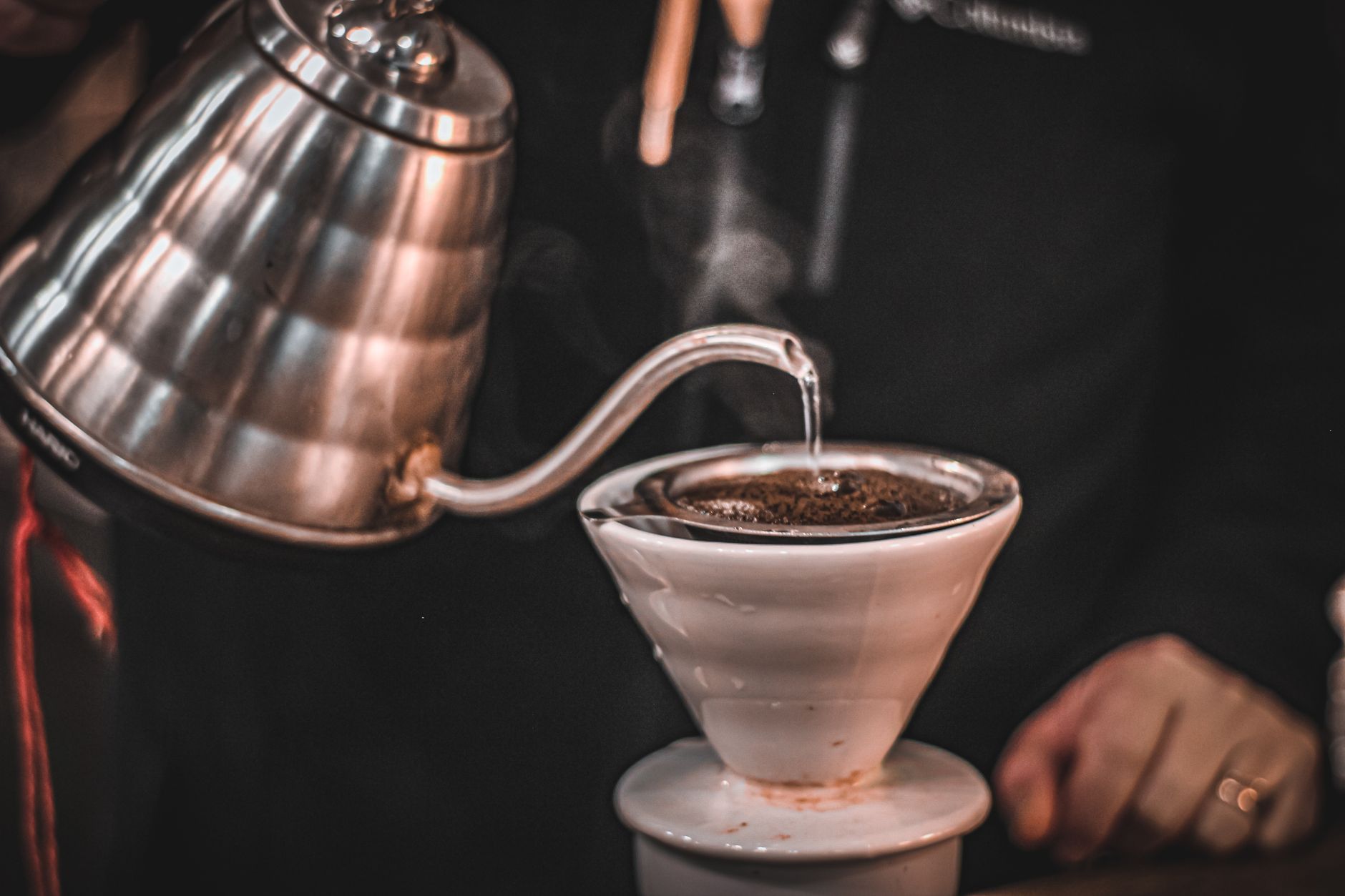
From the first pour-over of the morning to an afternoon espresso break, coffee shapes routines across nearly every culture on earth.
Endless Variety From One Simple Bean
A single coffee cherry can become dozens of different drinks depending on roast, grind and brewing method — from cold brew to cappuccino.
It Connects Growers and Drinkers Worldwide
Coffee links farmers in the Coffee Belt to cafes and kitchens on every continent, making it one of the most globally traded agricultural crops.
Frequently Asked Questions About Coffee
Which country produces the most coffee in the world?
Brazil has been the world's largest coffee producer for over 150 years, growing roughly a third of the global supply.
What are coffee beans, really?
Coffee "beans" are actually the seeds found inside a small fruit called a coffee cherry, not a true bean.
What is the difference between a latte and a cappuccino?
A latte is made with more steamed milk and a thin layer of foam, while a cappuccino has roughly equal parts espresso, steamed milk and thick foam.
Is decaf coffee completely caffeine-free?
No — decaf coffee still contains a small trace of caffeine, since the decaffeination process removes about 97% of it, not all of it.
Where did coffee originate?
Coffee's wild ancestor, Coffea arabica, originated in the highlands of Ethiopia, often called the birthplace of coffee.