🍽️ Food & Cuisine Quiz
How well do you know the world's greatest dishes, ingredients, and culinary traditions? From Asian street food to European fine dining, this food and cuisine quiz covers it all. Perfect for foodies, travellers, and trivia lovers — no registration required.
World Food & Cuisine: The Ultimate Trivia Guide (2026)
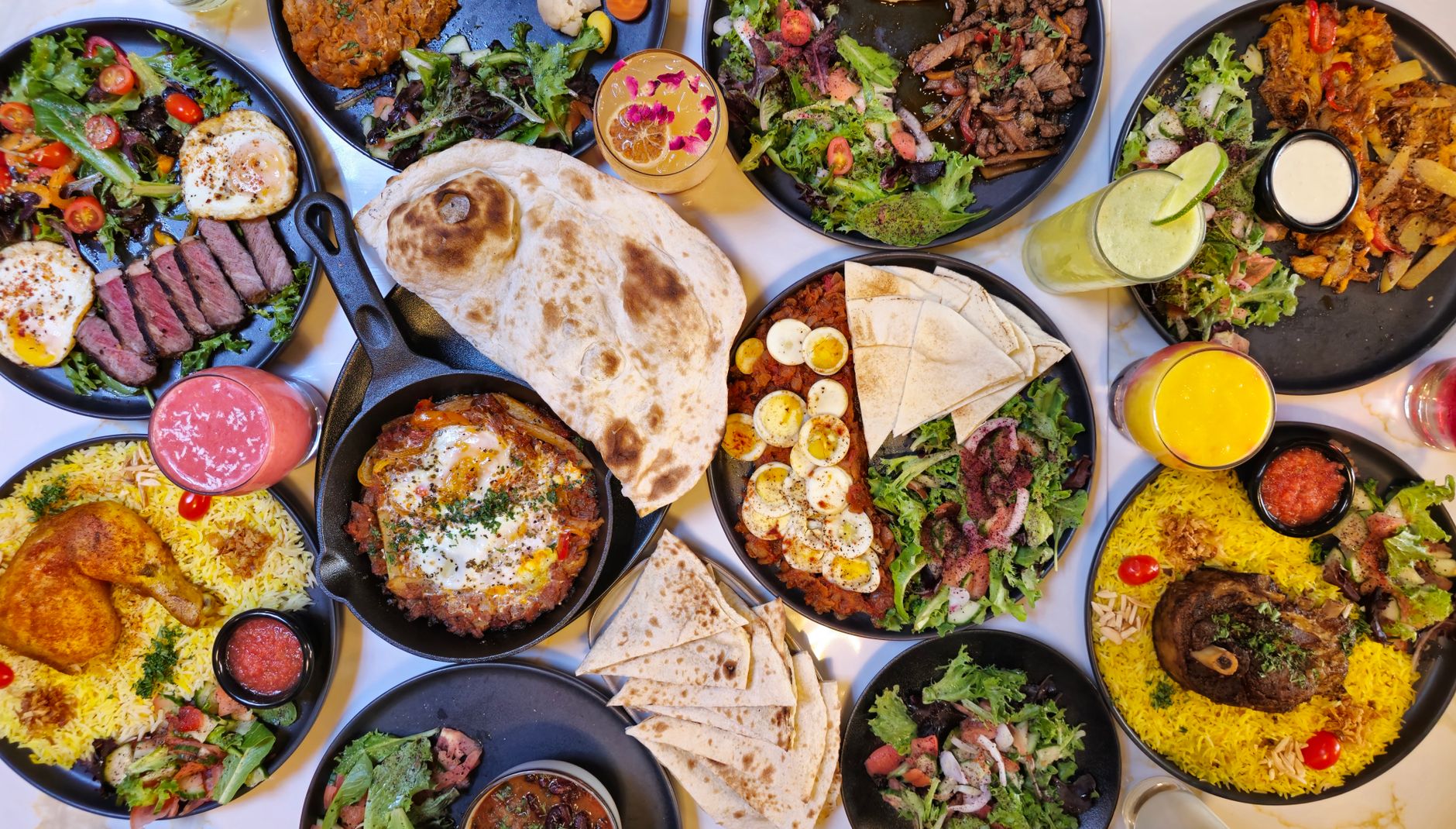
Food trivia is one of the most popular categories in pub quizzes and general knowledge tests worldwide — and with good reason. Every dish tells a story. Sushi evolved from a Southeast Asian fish-preservation technique into Japan's most iconic culinary export. The croissant, associated globally with French café culture, was actually born in Austria as the kipferl before Parisian bakers transformed it with buttery laminated dough. Pizza, now consumed in virtually every country on Earth, was a street food of Naples' working class before Queen Margherita's 1889 visit made it famous.
The most commonly missed food trivia questions involve origin stories. Players consistently misattribute the croissant to France, ceviche to Mexico, and coffee production to Colombia. Brazil has been the world's largest coffee producer since the 1840s. Peru is the true home of ceviche, which was designated national cultural heritage in 2004. And hummus, the subject of ongoing debate between Israel, Lebanon, and Palestine, has its deepest culinary roots across the Levant.
Asian Cuisines: Japan, Korea, and Beyond
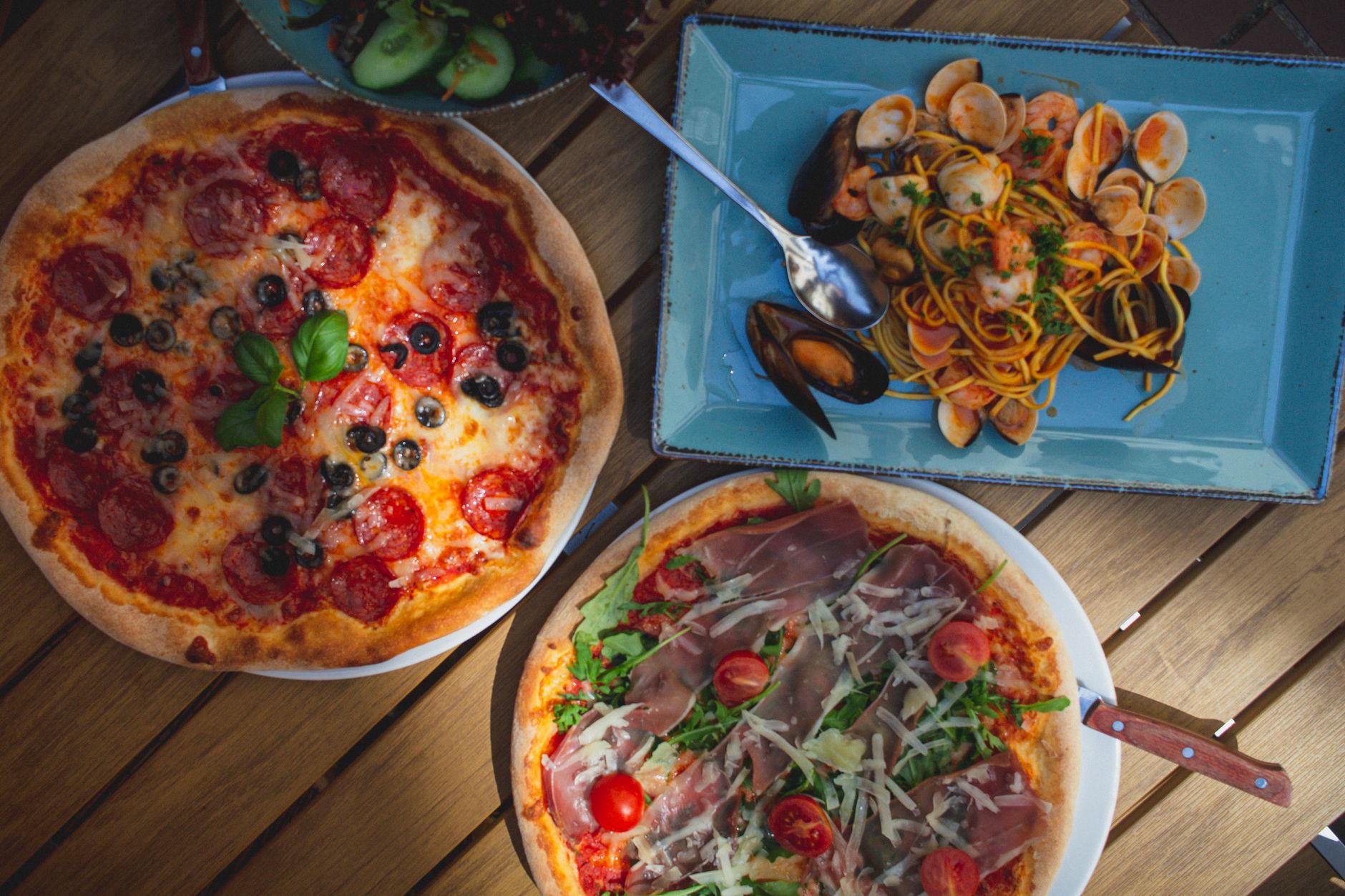
Asian cuisines dominate global food culture in the 21st century. Here are key facts frequently tested in food trivia:
| Dish | Country of Origin | Key Fact |
|---|---|---|
| Sushi | Japan | Nigiri created in Edo (Tokyo) ~1820s |
| Kimchi | Korea | Over 200 varieties; UNESCO heritage |
| Dashi | Japan | Base stock from kombu and bonito |
| Pho | Vietnam | Northern Vietnamese noodle soup, ~1880s |
| Pad Thai | Thailand | Popularised by government in 1940s |
European and Latin American Cuisines

European cuisines are the origin of many dishes the world now considers universal. Italian pasta, made from durum wheat semolina, spread globally via emigrant communities in the 19th and 20th centuries. Spanish paella uses saffron — the world's most expensive spice — harvested by hand from crocus flowers in La Mancha. French cuisine codified the concept of professional cooking with Escoffier's brigade system, still used in restaurant kitchens worldwide.
In Latin America, Peru's ceviche (fish cured in lime juice) and Brazil's churrasco (barbecued meat) have gained international recognition. Mexico's mole, a complex sauce with up to 30 ingredients including chocolate and chili, is considered one of the most sophisticated sauces in world cuisine. The Columbian Exchange — the transfer of foods between the Americas and the Old World after 1492 — fundamentally changed global diets: tomatoes, potatoes, chili peppers, and chocolate all originated in the Americas.
Answers Explained
Q: Which country is the original home of sushi?
A: Japan.
Modern nigiri sushi was developed in Edo (Tokyo) around the 1820s. Earlier narezushi (fermented fish with rice) existed across Southeast Asia, but the quick-preparation form eaten today is distinctly Japanese.
Q: What spice gives paella its yellow colour?
A: Saffron.
Saffron is harvested from the dried stigmas of Crocus sativus flowers, with around 150,000 flowers needed to produce just 1 kg. Spain's La Mancha region is among the world's top producers.
Q: Where was the croissant invented?
A: Austria — not France.
The kipferl, a crescent-shaped pastry, has been documented in Austria since the 13th century. It was brought to France in the 1830s–40s, where bakers added laminated butter dough to create the modern croissant.
Q: Which country is the world's largest coffee producer?
A: Brazil.
Brazil produces roughly 35–40% of the world's coffee, a position it has held since the mid-19th century. Vietnam is second, Colombia third.
Frequently Asked Questions
What country does sushi originally come from?
Sushi originates from Japan. Though early forms of fermented fish with rice existed in Southeast Asia, modern nigiri sushi was developed in Edo (Tokyo) in the early 19th century.
What is the main ingredient in hummus?
Hummus is made primarily from chickpeas (garbanzo beans), blended with tahini (sesame paste), lemon juice, garlic, and olive oil.
Which country invented the croissant?
Despite being associated with France, the croissant was invented in Austria (as the kipferl). It was adapted into its modern buttery, flaky form in Paris in the 19th century.
What is injera and where is it from?
Injera is a sourdough flatbread with a spongy texture made from teff flour. It is a staple food of Ethiopia and Eritrea, used as both a plate and an eating utensil.
Which spice gives paella its yellow colour?
Saffron gives traditional Spanish paella its distinctive yellow colour. It is the world's most expensive spice by weight, derived from the stigmas of the Crocus sativus flower.
Related Quizzes
 General
General Knowledge Quiz
 Geography
World Capitals Quiz
 Geography
Famous Landmarks Quiz
 History