📜 History Quiz
History is the story of human civilization — from ancient empires to modern revolutions. This history quiz spans thousands of years and multiple continents, testing your knowledge of key events, figures, and dates that shaped our world. Can you score 18 out of 18?
How to Think Like a Historian While You Play
This history quiz jumps across continents and centuries on purpose — from the fall of Rome in 476 CE to the Berlin Wall coming down in 1989. That range is what makes history trivia genuinely hard: you're not just recalling dates, you're connecting causes and consequences across very different eras. The trick most quiz champions use is anchoring: memorize a handful of "hinge" dates (1789, 1918, 1945, 1989) and place every other event relative to one of them.
Ancient and medieval history questions tend to trip people up because sources are patchier and historians still debate causes — like the multiple, overlapping reasons the Western Roman Empire fell. Modern history (post-1900) is usually easier to nail down because there's a documented paper trail.
The Mongol Empire question in this quiz is a favorite among trivia writers because the scale is almost unbelievable: at its peak it covered roughly 22% of Earth's land area, making it the largest contiguous land empire ever. If empires and conquest are your thing, our Roman Empire Quiz and Vikings Quiz dig much deeper into two of history's most famous expansionist powers.
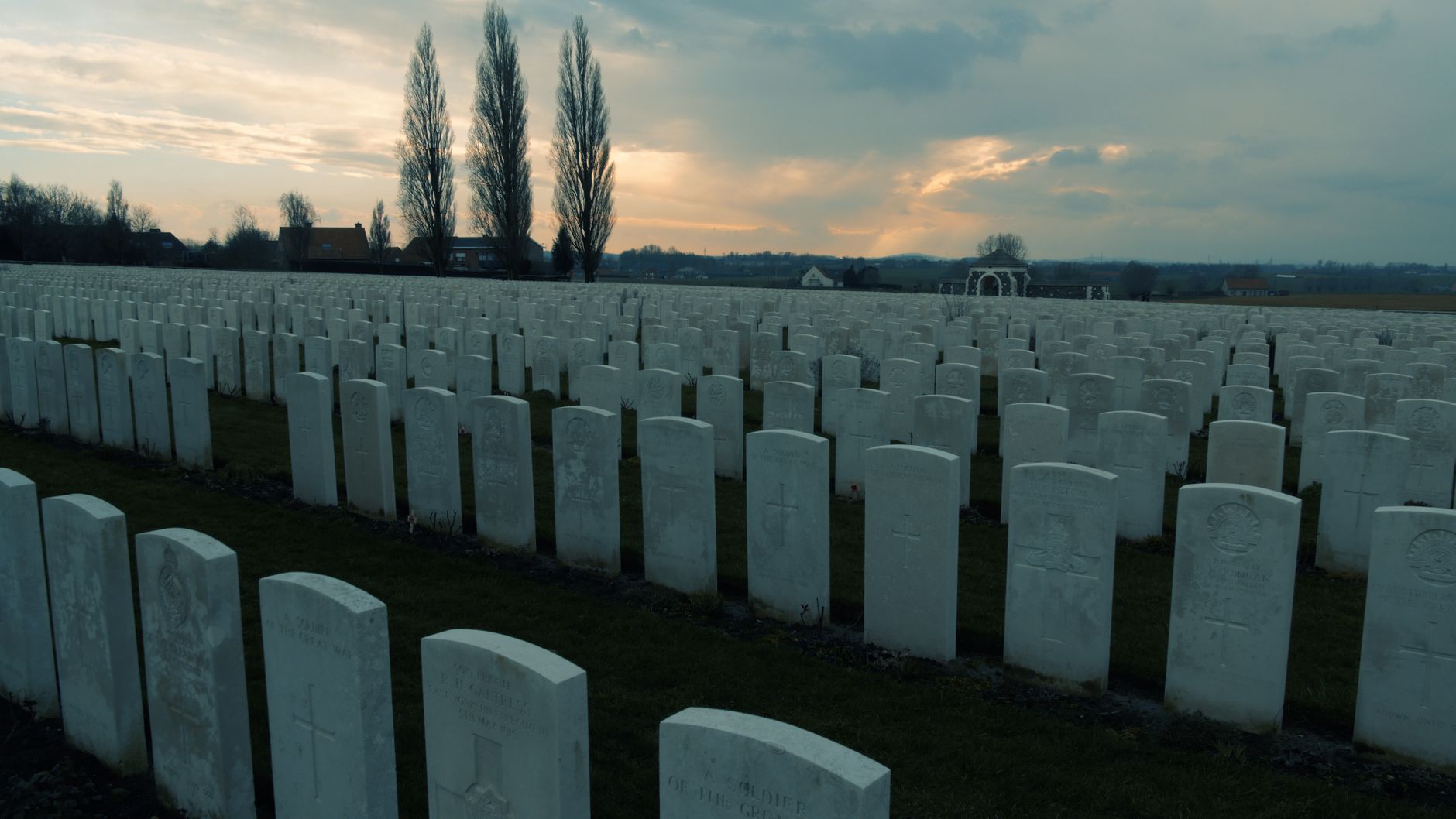
World War I and World War II questions are the most consistently answered correctly in our data, likely because they're taught in nearly every school system worldwide. If you want to test that further, try our dedicated Ancient Egypt Quiz or Medieval History Quiz for a deeper dive into a single era instead of this broad sweep.
Answers Explained
Q: Why is July 14 celebrated in France?
A: It marks the storming of the Bastille in 1789, a key moment of the French Revolution.
Bastille Day (Fête Nationale) celebrates both the storming of the Bastille and the Fête de la Fédération of July 14, 1790, when France celebrated national unity after the Revolution.
Q: Why did the Western Roman Empire fall in 476 CE?
A: A combination of political instability, military pressure, economic problems, and barbarian invasions.
Historians debate the exact causes. Key factors include decades of weak emperors, economic strain, the military's increasing reliance on Germanic federates, and the migration of peoples like the Huns displacing Germanic tribes into Roman territory.
Q: How large was the Mongol Empire at its peak?
A: About 24 million km² — the largest contiguous land empire in history.
At its peak in the late 13th century, the Mongol Empire stretched from Eastern Europe to the Sea of Japan, and from Siberia to Southeast Asia, covering about 22% of Earth's total land area.
Frequently Asked Questions
When did World War I end?
World War I ended on November 11, 1918, with the armistice between the Allies and Germany coming into effect at 11:00 AM.
Who was Genghis Khan?
Genghis Khan was the founder and first Great Khan of the Mongol Empire, which became the largest contiguous land empire in history.
When did the Berlin Wall fall?
The Berlin Wall fell on November 9, 1989. Germany was officially reunified on October 3, 1990.
What are the Seven Wonders of the Ancient World?
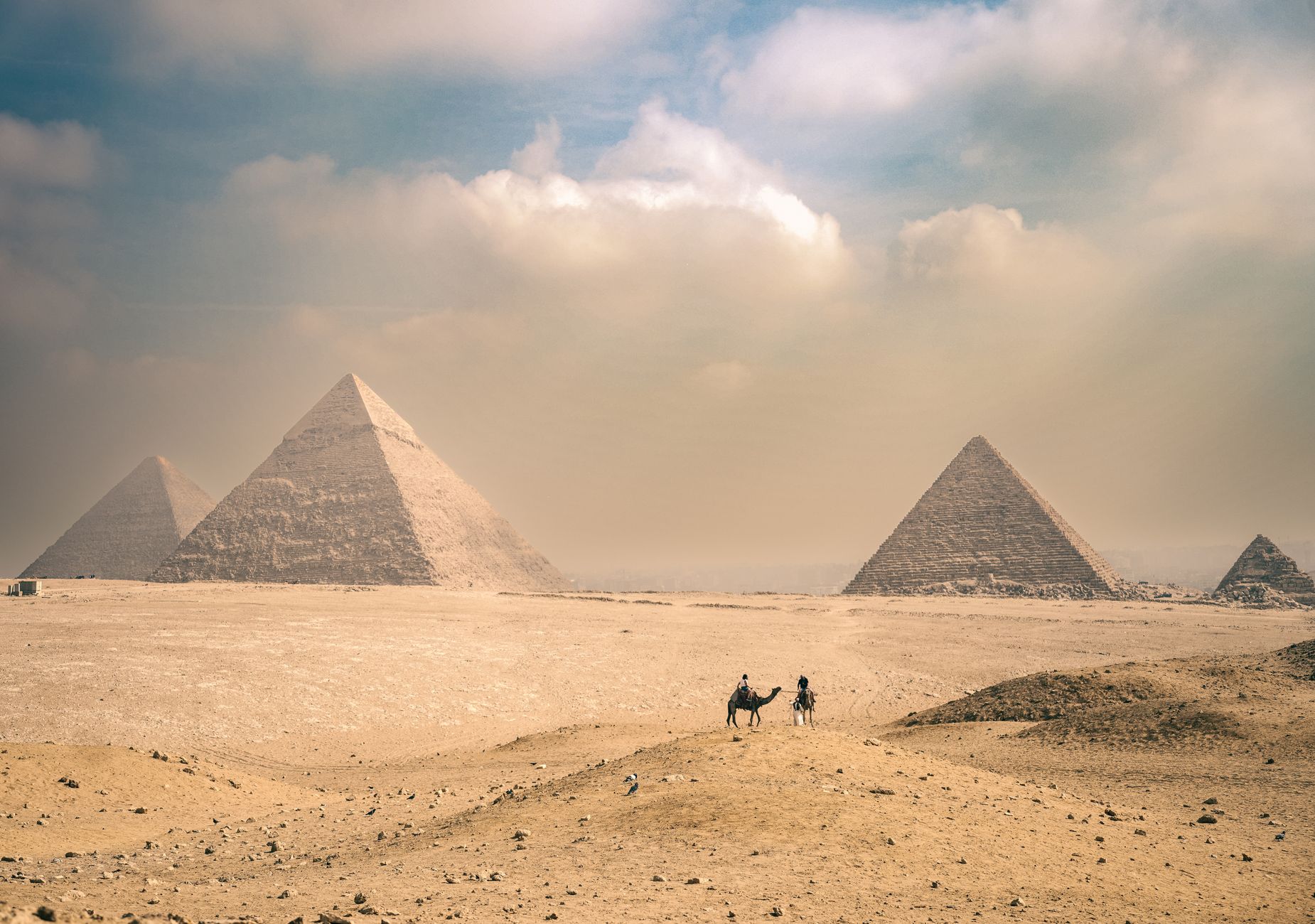
The Seven Wonders are: Great Pyramid of Giza (only one still standing), Colossus of Rhodes, Lighthouse of Alexandria, Hanging Gardens of Babylon, Temple of Artemis, Statue of Zeus, and Mausoleum at Halicarnassus.
When did the French Revolution start?
The French Revolution began in 1789. The storming of the Bastille on July 14, 1789 is considered its symbolic start.