⚔️ Free · History · 12 Questions
Medieval History Quiz: How Well Do You Know the Middle Ages?
This free medieval history quiz puts 1,000 years of the Middle Ages to the test — from Charlemagne to Joan of Arc, from the Black Death to the fall of Constantinople. Only 8% of players score a perfect 12/12.
Free Medieval History Quiz — 12 Questions on the Middle Ages
This free medieval history quiz covers over 1,000 years of European history — from the collapse of the Roman Empire in 476 AD to the fall of Constantinople in 1453 AD. You'll be tested on famous rulers, pivotal battles, the feudal system, the Catholic Church's influence, the Black Death, and the cultural achievements that shaped Western civilization.
Each question includes a detailed explanation after you answer, turning every wrong answer into a learning opportunity. Whether you're a student, a history enthusiast, or just curious about knights and castles, this quiz will challenge and inform you. Ready to travel back to the Middle Ages?
Key Events of Medieval History: A Timeline
The Middle Ages spanned roughly 1,000 years and encompassed some of the most dramatic events in Western history. Here are the pivotal dates that defined this remarkable era:
476 AD
Fall of Rome
Traditional start of the Middle Ages
800 AD
Charlemagne Crowned
Holy Roman Empire established
1066 AD
Norman Conquest
William defeats Harold at Hastings
1096 AD
First Crusade
Pope Urban II launches holy war
1215 AD
Magna Carta
King John limits royal power
1347 AD
Black Death Arrives
Plague kills 30-60% of Europe
1337 AD
100 Years War Begins
England vs France, 116 years
1431 AD
Joan of Arc Executed
Burned at stake, age 19
1440s AD
Gutenberg's Press
Printing transforms knowledge
1453 AD
Constantinople Falls
End of the Byzantine Empire
1455 AD
Wars of the Roses
England's dynastic civil war
1492 AD
End of Reconquista
Moors expelled from Spain
The Feudal System: How Medieval Society Was Organized
Medieval European society was organized around the feudal system — a hierarchical structure of land ownership and obligations that defined every aspect of life from politics to agriculture.
The Medieval Hierarchy
At the top sat the King, who in theory owned all land in his kingdom. Below him were the nobles and lords (barons, earls, dukes) who held large estates granted by the king in exchange for military service and loyalty. Lords granted portions of their land to knights, who provided mounted military service. At the bottom of the system were the serfs and peasants, who farmed the land in exchange for protection.
The Role of the Church
The Catholic Church was the most powerful institution in medieval Europe — more powerful in many ways than kings themselves. The Church owned approximately one-third of all land in Europe, collected taxes (tithes), operated the only schools and hospitals, and had the authority to excommunicate rulers. The Pope could effectively declare any king's rule illegitimate, as happened to Holy Roman Emperor Henry IV in the famous Walk to Canossa (1077).
Key Dates of the Feudal Era
| Date | Event | Significance |
|---|
| 476 AD | Fall of Western Rome | Start of the Middle Ages; Germanic kingdoms emerge |
| 732 AD | Battle of Tours | Charles Martel halts Muslim expansion into Western Europe |
| 800 AD | Charlemagne crowned Emperor | Carolingian Empire unifies much of Western Europe |
| 1066 AD | Norman Conquest of England | William I transforms English language, law, and society |
| 1096-1099 AD | First Crusade | European knights capture Jerusalem |
| 1215 AD | Magna Carta signed | First limits on royal power; foundation of constitutional law |
| 1347-1351 AD | Black Death | Kills 30-60% of Europe; undermines feudal system |
| 1453 AD | Constantinople falls | End of Byzantine Empire; traditional end of Middle Ages |

Knights, Crusades, and the Military Orders
The Code of Chivalry
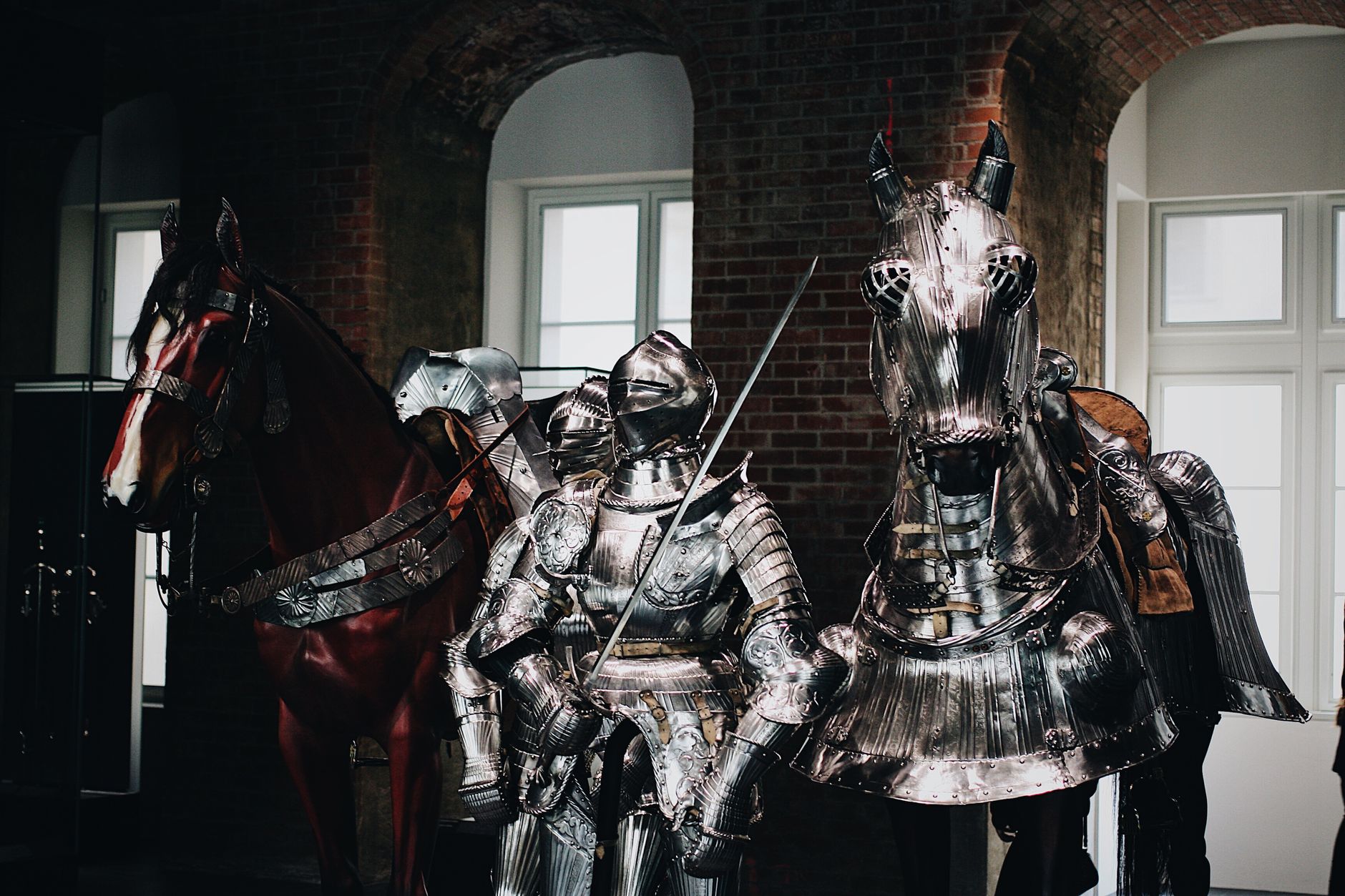
Medieval knights were bound by a code of chivalry — a set of ideals emphasizing bravery in battle, loyalty to one's lord and king, courtesy toward women, protection of the weak, and service to God. This code was partly practical (professional standards for expensive warriors) and partly the romanticized ideal promoted in courtly literature like the legends of King Arthur and the Round Table.
In reality, medieval warfare was brutal and unglamorous. Knights were expensive military assets — a knight's armor, horse, and weapons could cost the equivalent of years of peasant labor. Most wars involved sieges, raids, and starvation rather than the noble single combats of romantic literature.
The Crusades: Holy War and Its Consequences
The Crusades were a series of religious wars launched by the Catholic Church to capture and hold the Holy Land (primarily Jerusalem and Palestine) from Muslim rule. Between 1096 and 1291, there were eight major Crusades. Key outcomes included:
- Cultural exchange: European Crusaders encountered Islamic science, medicine, philosophy, and architecture, sparking intellectual growth in Europe.
- Trade expansion: Italian city-states like Venice and Genoa grew enormously wealthy by supplying and transporting Crusader armies.
- Persecution: Jewish communities across Europe were massacred by Crusader mobs; the Crusades also deepened hostility between Catholic and Orthodox Christianity after the sack of Constantinople (1204).
- Military Orders: The Knights Templar, Knights Hospitaller, and Teutonic Knights were founded as permanent military religious orders. The Templars became so wealthy and powerful they were eventually arrested and dissolved by Pope Clement V and King Philip IV of France in 1307-1312.
The Decline of Chivalric Culture
By the 14th and 15th centuries, the ideal of the mounted knight was becoming obsolete. The English longbow devastated French cavalry at Crécy (1346) and Agincourt (1415). Swiss pikemen showed that disciplined infantry could defeat knights. Gunpowder firearms, introduced from China via the Islamic world, further undermined the dominance of heavy cavalry. By 1500, the age of the knight was effectively over.
Frequently Asked Questions About the Middle Ages
When did the Medieval period begin and end?
The Medieval period is traditionally dated from 476 AD (the fall of the Western Roman Empire) to 1453 AD (the fall of Constantinople to the Ottoman Turks). Some historians use 1492 (Columbus's voyage) or 1517 (the Protestant Reformation) as alternative end dates. The period spans approximately 1,000 years and is often divided into Early (476-1000), High (1000-1300), and Late (1300-1453) Medieval periods.
What was daily life like for a medieval peasant?
Most medieval peasants were serfs, bound to the land and obligated to work their lord's fields in exchange for protection. Life centered on agriculture, following the seasonal calendar of plowing, planting, harvesting, and preparation for winter. Peasants lived in small villages, attended the local church, and rarely traveled more than a few miles from home. Diet was primarily bread, porridge, legumes, and vegetables, with meat being a rare luxury. Average life expectancy was around 35-40 years at birth, though surviving childhood significantly improved one's odds.
How did the Crusades affect medieval Europe?
The Crusades profoundly shaped medieval Europe. They intensified trade between Europe and the Middle East, spreading new goods, technologies, and ideas. They strengthened Italian maritime city-states (Venice, Genoa, Pisa). They led to terrible persecution of Jewish communities in Europe. Despite ultimately failing to hold the Holy Land permanently, they introduced Europeans to Islamic science, mathematics, medicine, and philosophy, helping plant the seeds of the Renaissance.
Why were medieval castles built on hills?
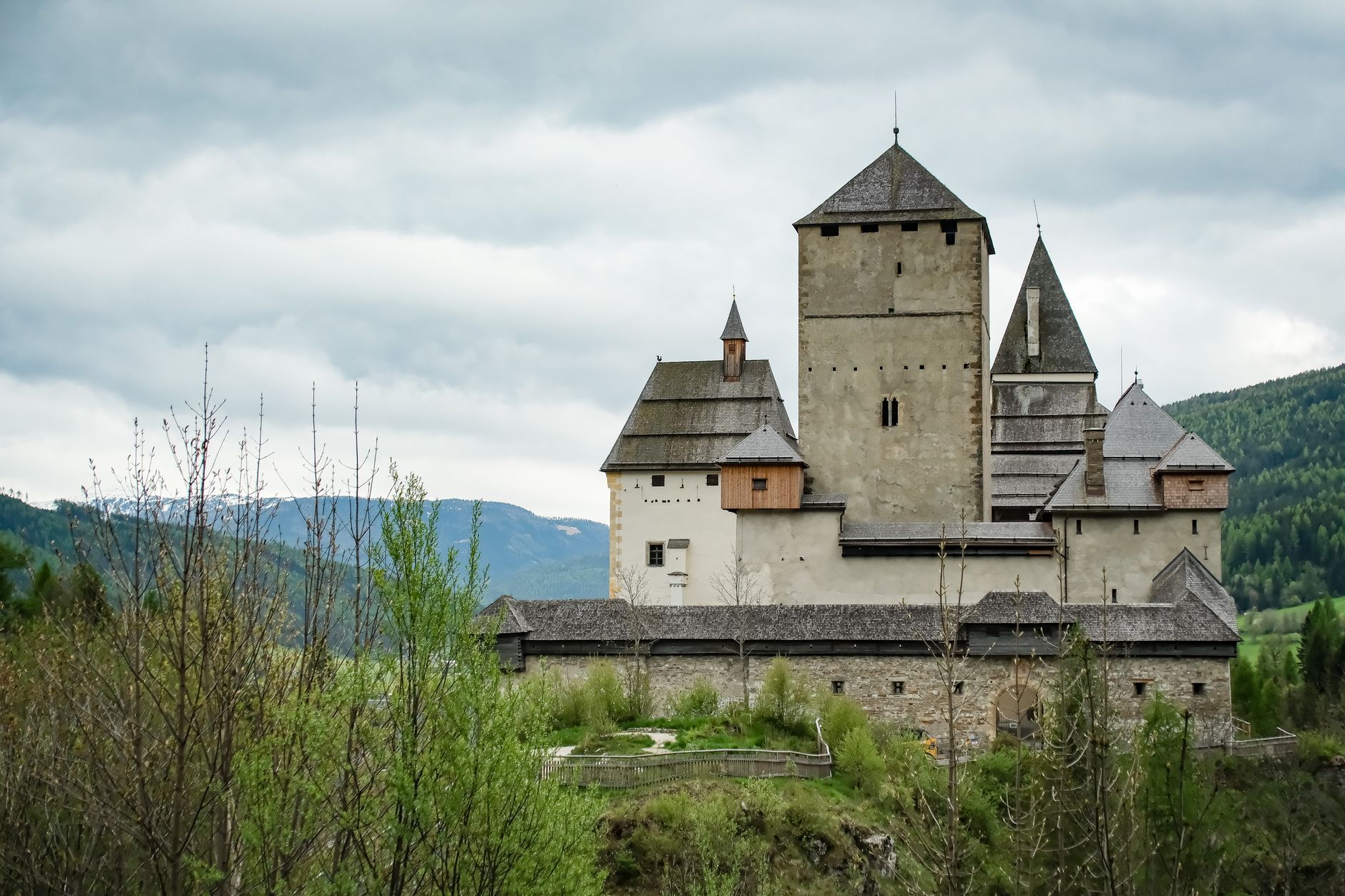
Castles on elevated ground gave defenders a clear view of approaching enemies and made attacks more difficult. Attackers had to fight uphill while defenders had gravity working in their favor. Natural features like rivers, cliffs, and marshes were incorporated into defensive designs. Not all castles were on hills — many lowland castles used deep moats, thick stone walls (up to 4 meters thick), towers with overlapping fields of fire, and fortified gatehouses as their primary defenses.
How did the Black Death change medieval society?
The Black Death (1347-1351) killed 30-60% of Europe's population and transformed medieval society fundamentally. The massive labor shortage gave surviving peasants and workers greater bargaining power, accelerating the decline of serfdom. The Church's authority was weakened by its inability to explain or stop the plague. New economic opportunities arose as trade recovered. The psychological trauma of the plague also deeply influenced art, literature, and religious thought, with themes of death (danse macabre) becoming prevalent.