🏛️ Ancient Civilizations Quiz
From the pyramids of Egypt to the Senate of Rome, from Greek philosophers to the Silk Road — how much do you really know about the ancient world? This ancient civilizations quiz covers Egypt, Rome, Greece, Mesopotamia, China, and beyond. Only 9% score a perfect 10/10. Will you?
Answers Explained
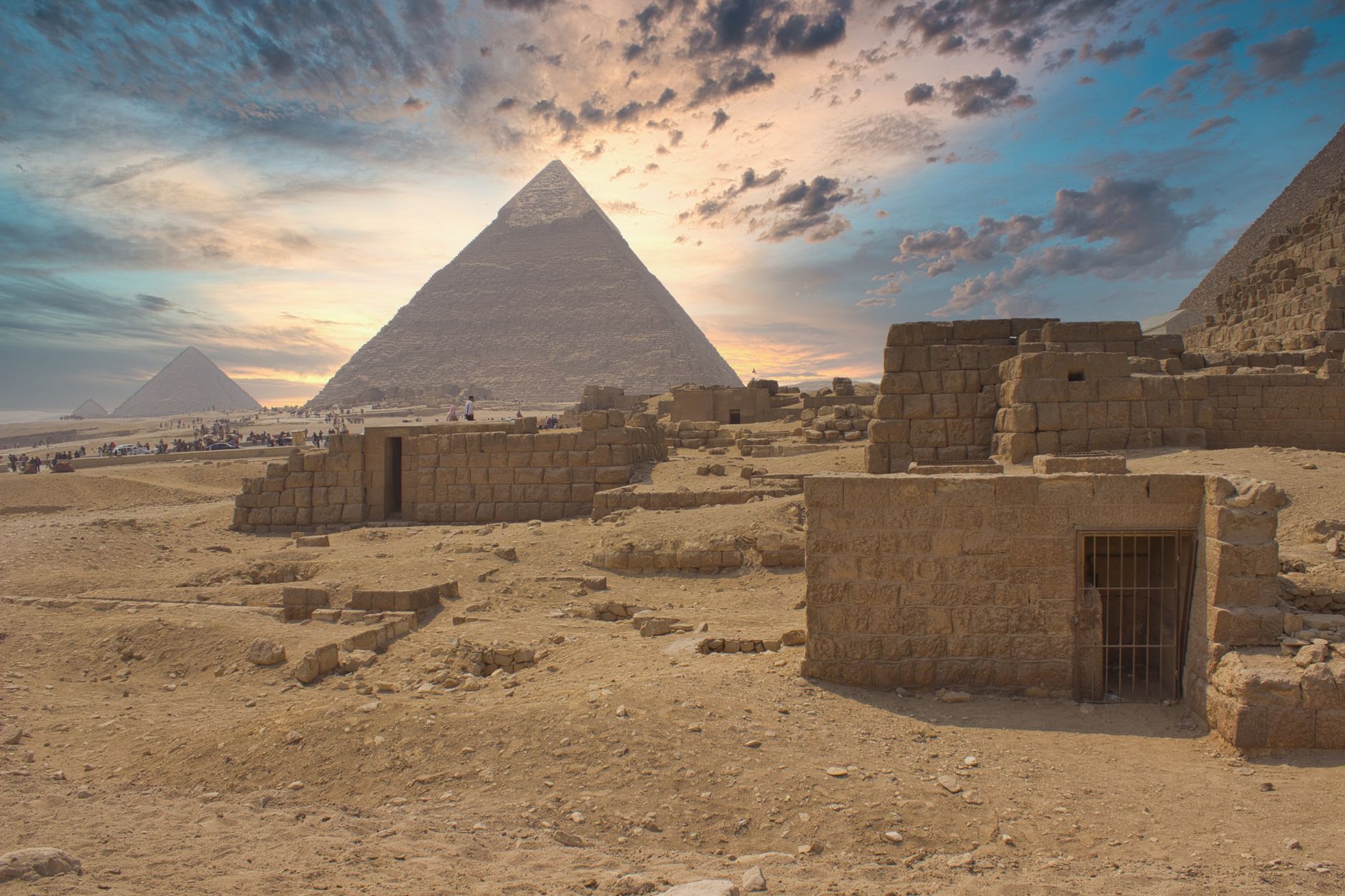
Q: Who built the Great Pyramid of Giza?
A: Pharaoh Khufu of ancient Egypt.
Built around 2560 BCE, the Great Pyramid remained the tallest man-made structure in the world for nearly 3,800 years. It was constructed with an estimated 2.3 million stone blocks, each weighing 2.5–15 tonnes.
Q: What is cuneiform?
A: The world's first writing system, invented by the Sumerians of Mesopotamia.
Cuneiform (Latin for "wedge-shaped") originated around 3400 BCE. It began as pictographic script and evolved into a phonetic system used across the ancient Near East for over 3,000 years.
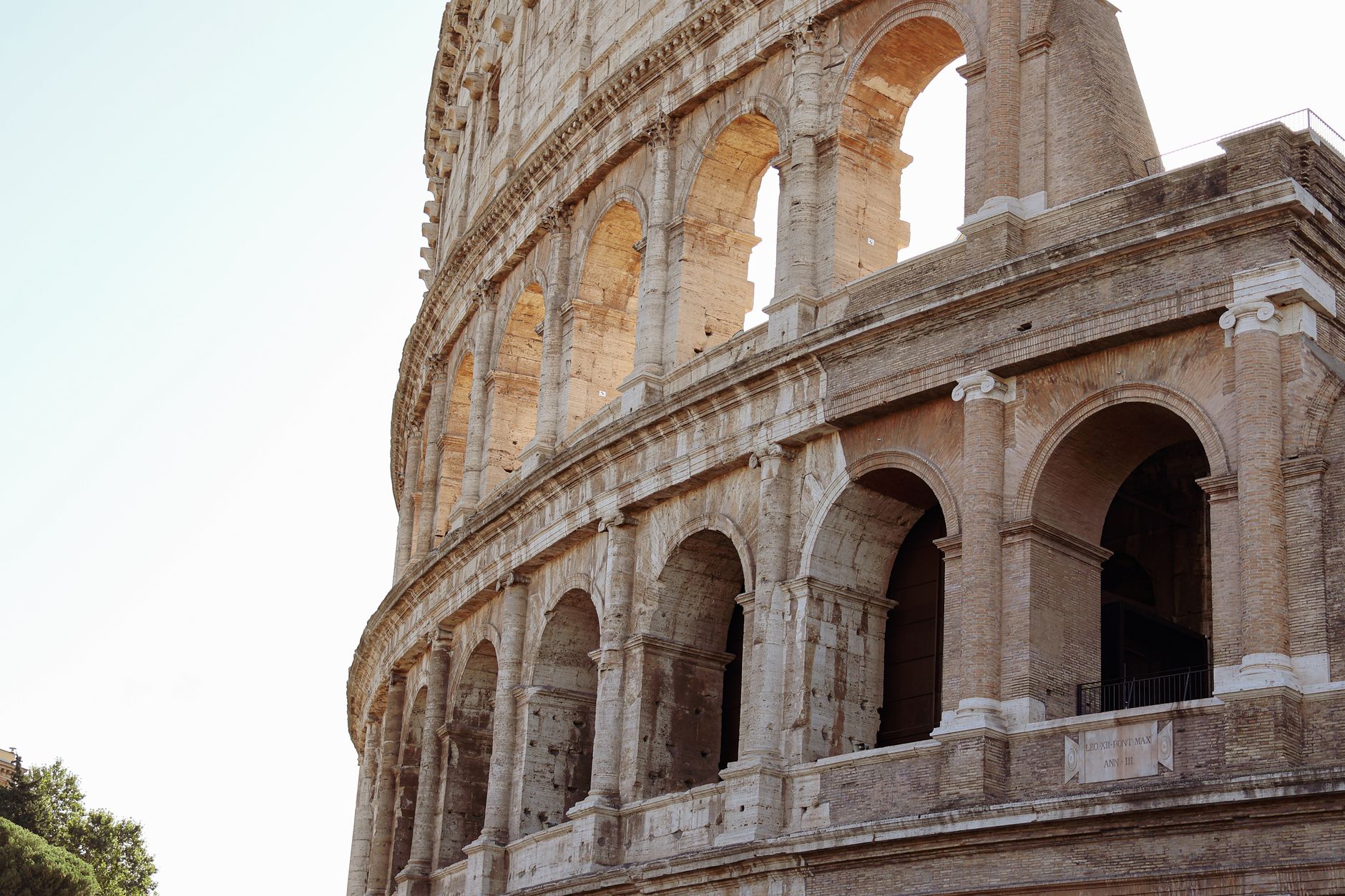
Q: Why was Julius Caesar assassinated?
A: A group of senators feared he intended to make himself king of Rome.
Caesar had accumulated unprecedented power as dictator perpetuo (dictator in perpetuity). The conspirators, known as the Liberatores, killed him on 15 March 44 BCE — the Ides of March — in the Theatre of Pompey.
Frequently Asked Questions
What was the first writing system in history?
Cuneiform, developed by the Sumerians of ancient Mesopotamia around 3400 BCE, is considered the world's first writing system.
Who was Julius Caesar?
Julius Caesar was a Roman general and statesman who played a critical role in the fall of the Roman Republic. He was assassinated on the Ides of March (15 March) 44 BCE.
What was the purpose of the Great Pyramid of Giza?
The Great Pyramid of Giza was built as a tomb for Pharaoh Khufu around 2560 BCE. It is the only surviving structure of the Seven Wonders of the Ancient World.
What language did the ancient Romans speak?
The ancient Romans spoke Latin. It eventually evolved into the modern Romance languages: Spanish, French, Italian, Portuguese, and Romanian.
What was the Silk Road?
The Silk Road was an ancient trade network connecting China to the Mediterranean world. It was not a single road but a series of routes stretching roughly 4,000 miles that facilitated the exchange of goods, ideas, and culture.