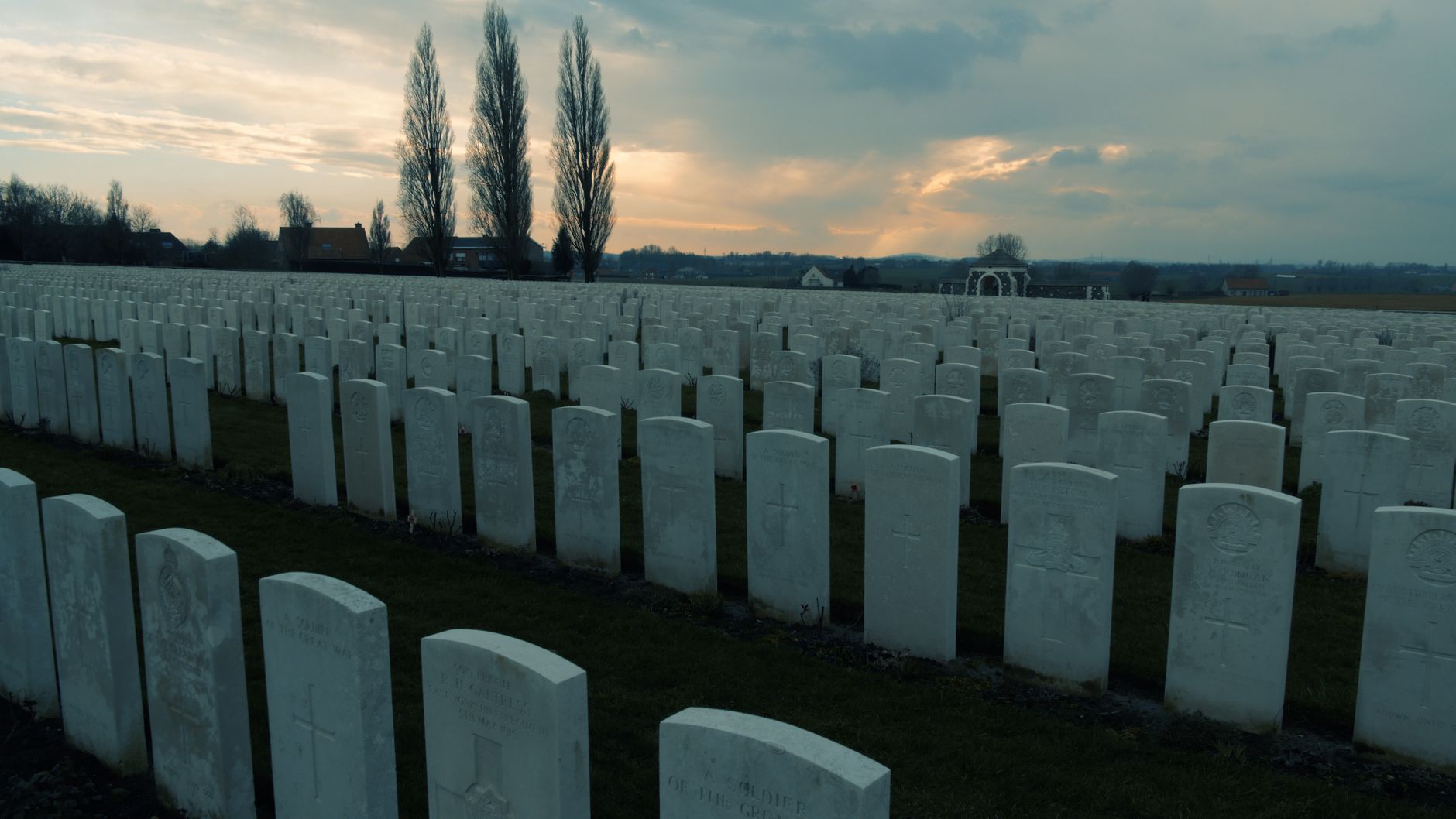
World War I Trivia Quiz — 12 Questions to Test Your Knowledge
World War I, also known as the Great War, raged from 1914 to 1918 and drew in empires from every inhabited continent. It began with the assassination of Archduke Franz Ferdinand and ended with an armistice that redrew the map of Europe.
This World War I trivia quiz covers 12 questions spanning the war's causes, major battles, new weapons of industrial warfare, key figures and its eventual end. Each question comes with a short explanation, so you'll pick up real history either way.
No registration required. No timers. Just pure WWI knowledge — pick your answer and see how close you get to a perfect score.
Fun Facts About World War I You Probably Didn't Know
More than a century later, the Great War still holds plenty of surprising trivia:
💥 A Single Assassination Triggered a World War
The killing of Archduke Franz Ferdinand in Sarajevo set off a chain of alliance obligations that pulled dozens of nations into conflict within weeks.
✋ The Christmas Truce of 1914
On the first Christmas of the war, soldiers on both sides in some sections of the front briefly stopped fighting, exchanged gifts and even played football in no man's land.
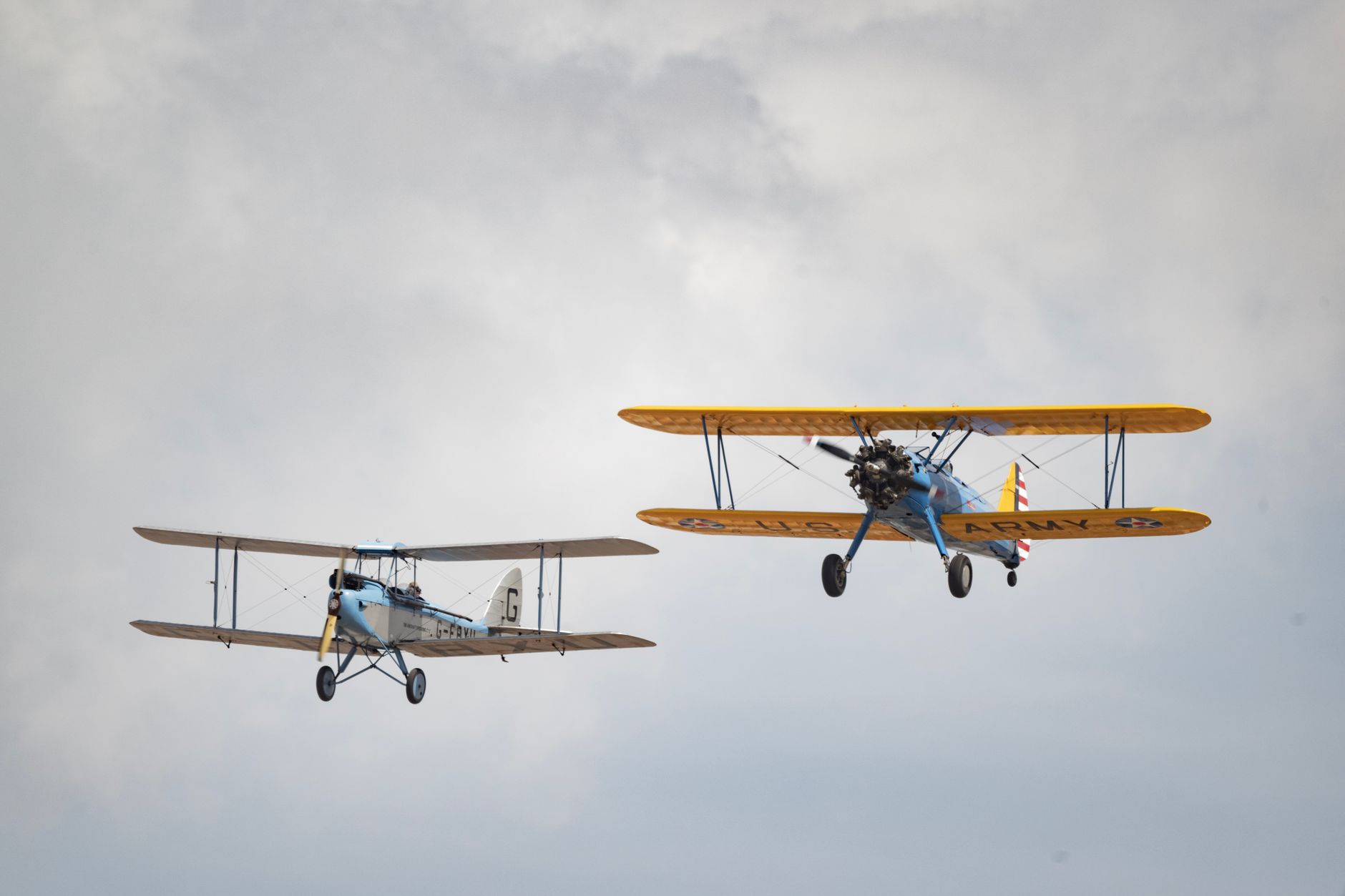
✈️ Air Combat Was Brand New
Military aviation was still in its infancy, and WWI produced the first celebrated "flying aces," including Manfred von Richthofen, the Red Baron.
🛡️ Tanks Made Their Combat Debut
The British Army first deployed tanks in battle in 1916, at the Somme, aiming to break the deadlock of trench warfare.
🏷️ The Armistice Ended Fighting at 11am on 11/11
The ceasefire on the Western Front took effect on the eleventh hour of the eleventh day of the eleventh month, 1918 — still marked today as Remembrance Day.
📄 The Peace Treaty Planted Seeds for Another War
The harsh terms of the Treaty of Versailles, including heavy reparations, are widely cited by historians as a contributing factor to the rise of tensions that led to World War II.
Common World War I Myths — Busted
Decades of retelling have blurred a few facts about the Great War. Here's what's actually true:
- Myth: World War I started because of a single assassination alone. The killing of Franz Ferdinand was the spark, but a web of pre-existing military alliances, arms races and imperial rivalries had made a wider conflict increasingly likely for years.
- Myth: All the fighting happened in trenches on the Western Front. The war spanned multiple fronts, including the Eastern Front against Russia, the Gallipoli campaign, fighting in the Middle East and Africa, and major naval and air operations.
- Myth: The United States joined the war right when it began. The US remained officially neutral until April 1917, nearly three years after the war started, entering after events like unrestricted submarine warfare and the Zimmermann Telegram.
- Myth: The Treaty of Versailles was signed the moment the fighting stopped. The armistice that ended the fighting was signed in November 1918, but the Treaty of Versailles that formally ended the war wasn't signed until June 1919.
- Myth: Poison gas was the deadliest weapon of the war. While terrifying, gas caused a comparatively small share of deaths overall; artillery caused the majority of casualties on the battlefield.

Why World War I Still Matters
More than a century after the armistice, a few things keep the Great War central to understanding modern history:
It Redrew the Map of Europe and the Middle East
The collapse of the Austro-Hungarian, Ottoman, German and Russian empires reshaped borders and created new nations, with effects still felt in geopolitics today.
It Introduced Modern Industrial Warfare
Machine guns, tanks, poison gas and military aircraft transformed how wars were fought, ending the era of traditional cavalry-led combat.
Its Aftermath Set the Stage for World War II
The economic hardship and resentment created by the peace settlement are widely studied as key factors behind the rise of extremist movements two decades later.
Frequently Asked Questions About World War I
What triggered the start of World War I?
The assassination of Archduke Franz Ferdinand of Austria-Hungary in Sarajevo on 28 June 1914 set off the chain of alliances that led to war within weeks.
Who were the Central Powers in World War I?
The Central Powers were led by Germany and Austria-Hungary, later joined by the Ottoman Empire and Bulgaria.
When did World War I end?
The armistice that ended fighting on the Western Front took effect at 11am on 11 November 1918, and the Treaty of Versailles formally ended the war in 1919.
What made World War I different from earlier wars?
It introduced large-scale trench warfare and new industrial weapons such as machine guns, poison gas, tanks and military aircraft, causing casualties on an unprecedented scale.
How many people died in World War I?
Historians commonly estimate around 17 million total deaths, military and civilian combined, making it one of the deadliest conflicts in history.