🫀 Human Body Quiz
From your skeleton to your circulatory system, the human body is an extraordinary machine. Think you know it inside out? This quiz covers bones, organs, muscles, blood, the nervous system, and more — 15 questions to put your anatomy and physiology knowledge to the test.

Answers Explained
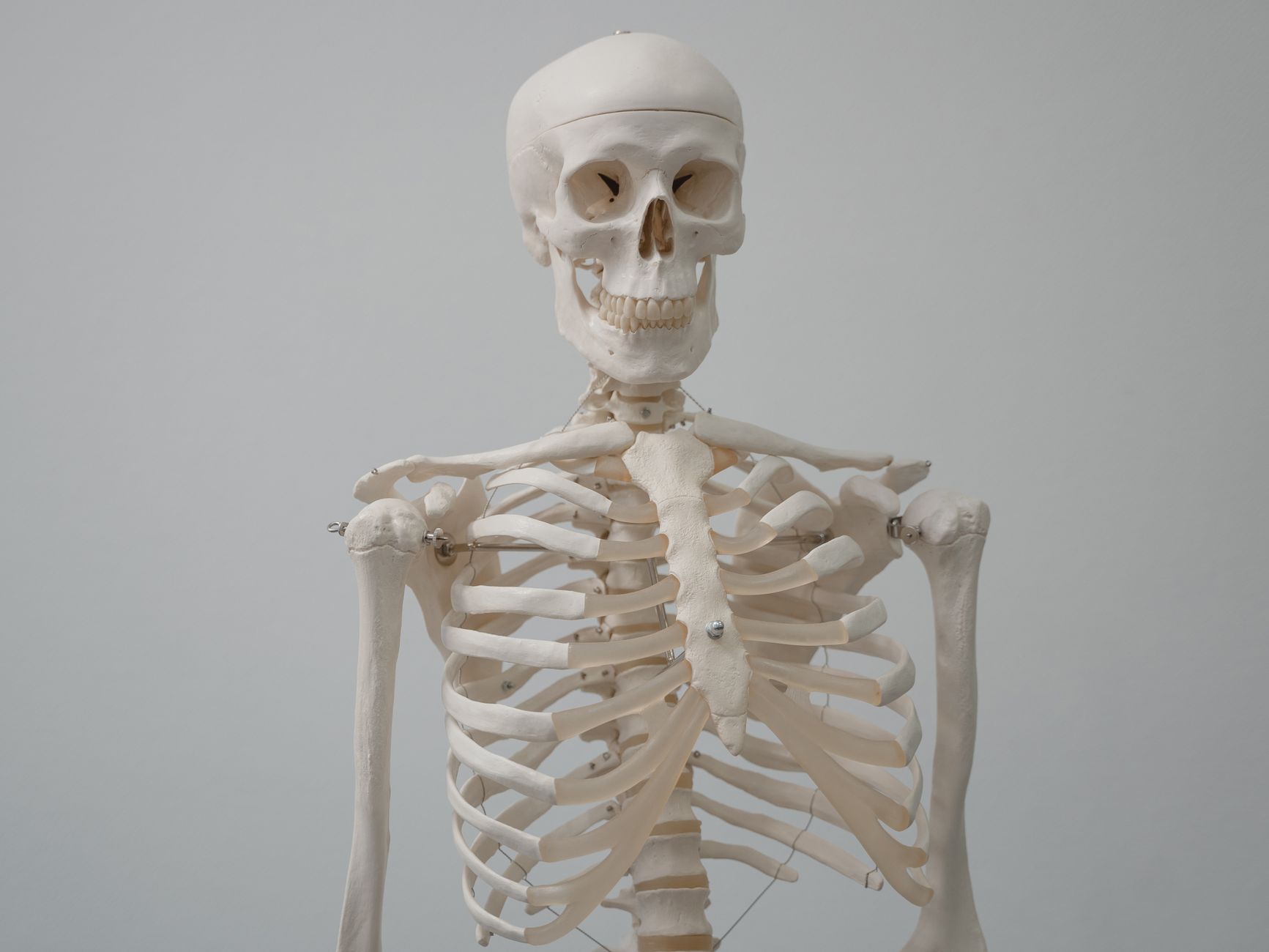
Q: How many bones are in an adult human body?
A: 206 bones
Babies are born with around 270–300 bones that gradually fuse during development. By early adulthood, the count stabilises at 206.
Q: Which is the largest organ?
A: Skin
People often guess the liver or lungs, but the skin wins by surface area. It covers the entire exterior of the body and has three distinct layers: epidermis, dermis, and hypodermis.
Q: What is the smallest bone in the human body?
A: The stapes, in the inner ear
The stapes (stirrup bone) is only about 3 mm long. Together with the malleus and incus, it forms the ossicles — three tiny bones that amplify sound vibrations in the middle ear.
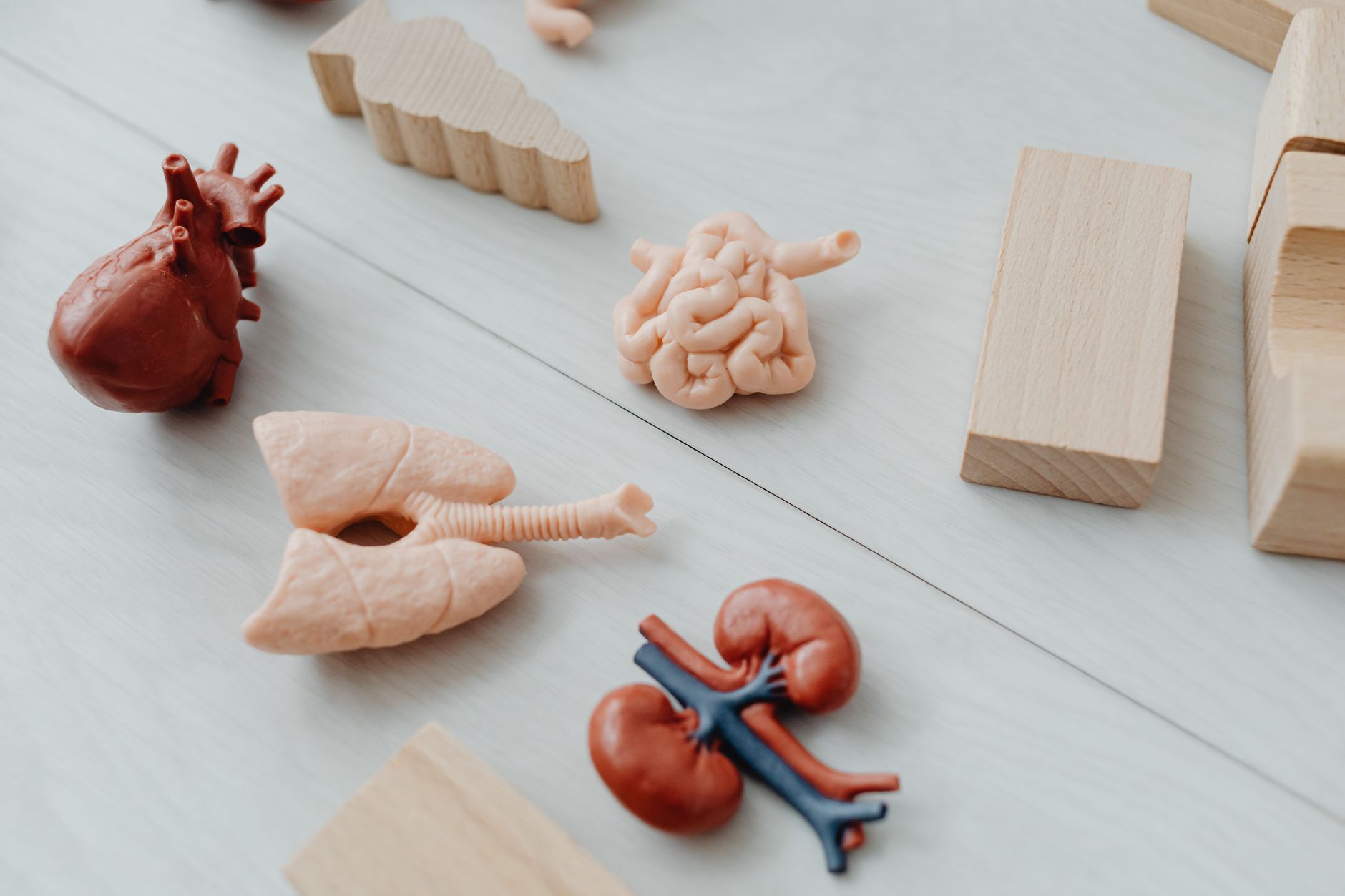
Q: How long is the small intestine?
A: About 6–7 metres
Despite being called "small," the small intestine is actually much longer than the large intestine. Its interior surface is covered in villi and microvilli that massively increase absorption area.
Frequently Asked Questions
How many bones are in the adult human body?
An adult human body has 206 bones. Babies are born with around 270–300 bones, many of which fuse together as they grow.
What is the largest organ in the human body?
The skin is the largest organ in the human body. It covers about 1.5 to 2 square metres and makes up roughly 16% of total body weight.
How many chambers does the human heart have?
The human heart has 4 chambers: the right atrium, right ventricle, left atrium, and left ventricle. The right side pumps blood to the lungs; the left side pumps oxygenated blood to the body.
What is the longest bone in the human body?
The femur (thigh bone) is the longest and strongest bone in the human body, running from the hip to the knee.
Which blood type is the universal donor?
Blood type O negative (O−) is considered the universal donor for red blood cells, as it can be given to patients of any blood type in an emergency.