🌊 Rivers of the World Quiz
From the mighty Amazon winding through the heart of South America to the ancient Nile nurturing one of the world's oldest civilizations, rivers have shaped human history, culture, and geography for millennia. They carve spectacular canyons, form vast deltas, and carry more fresh water across continents than any other force on Earth. Whether you know your Yangtze from your Yenisei, or you can pinpoint the longest river in Europe, this quiz will challenge your knowledge of the world's most remarkable waterways. 15 questions — how many rivers can you get right?
The World's Great Rivers
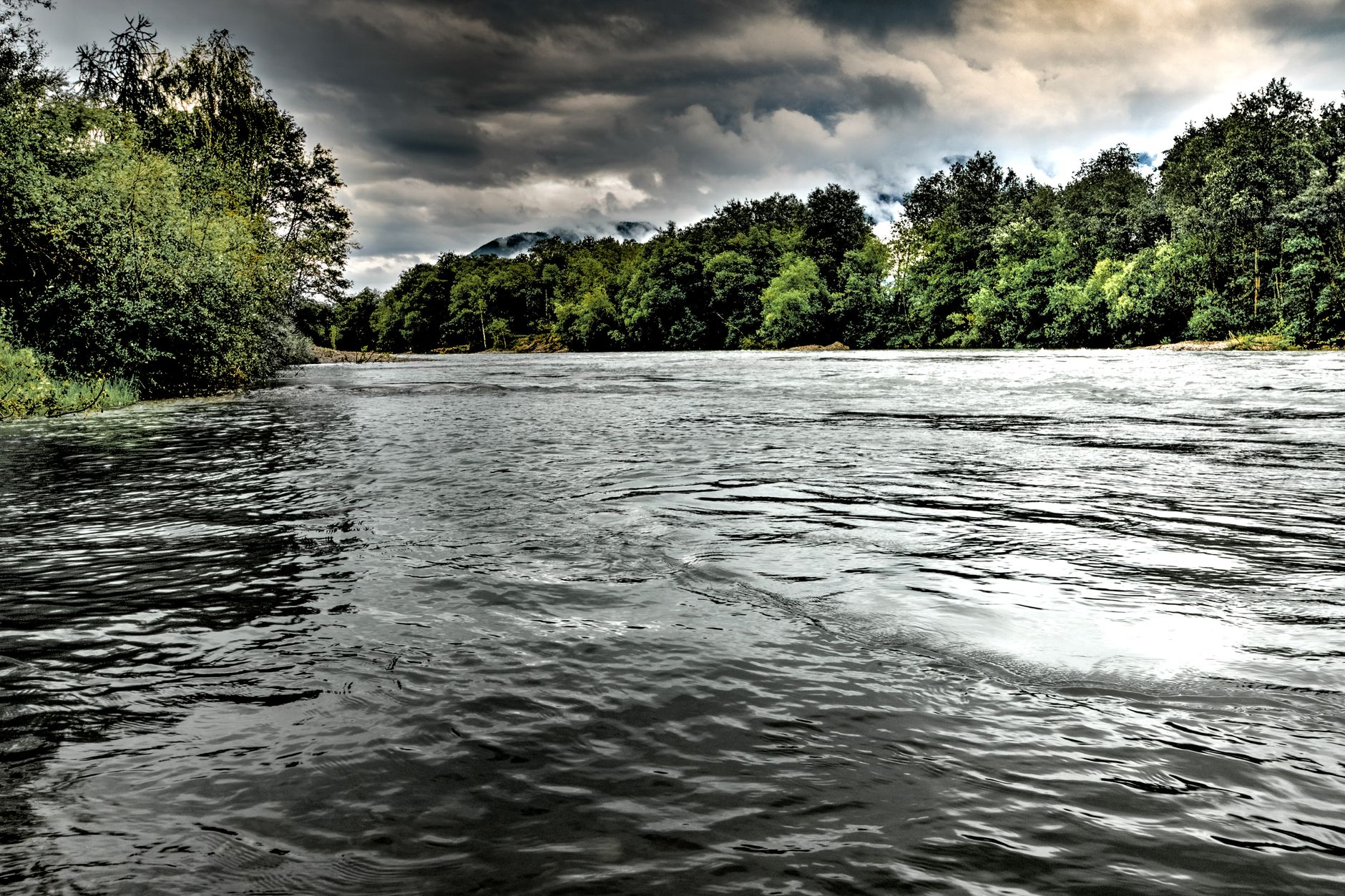
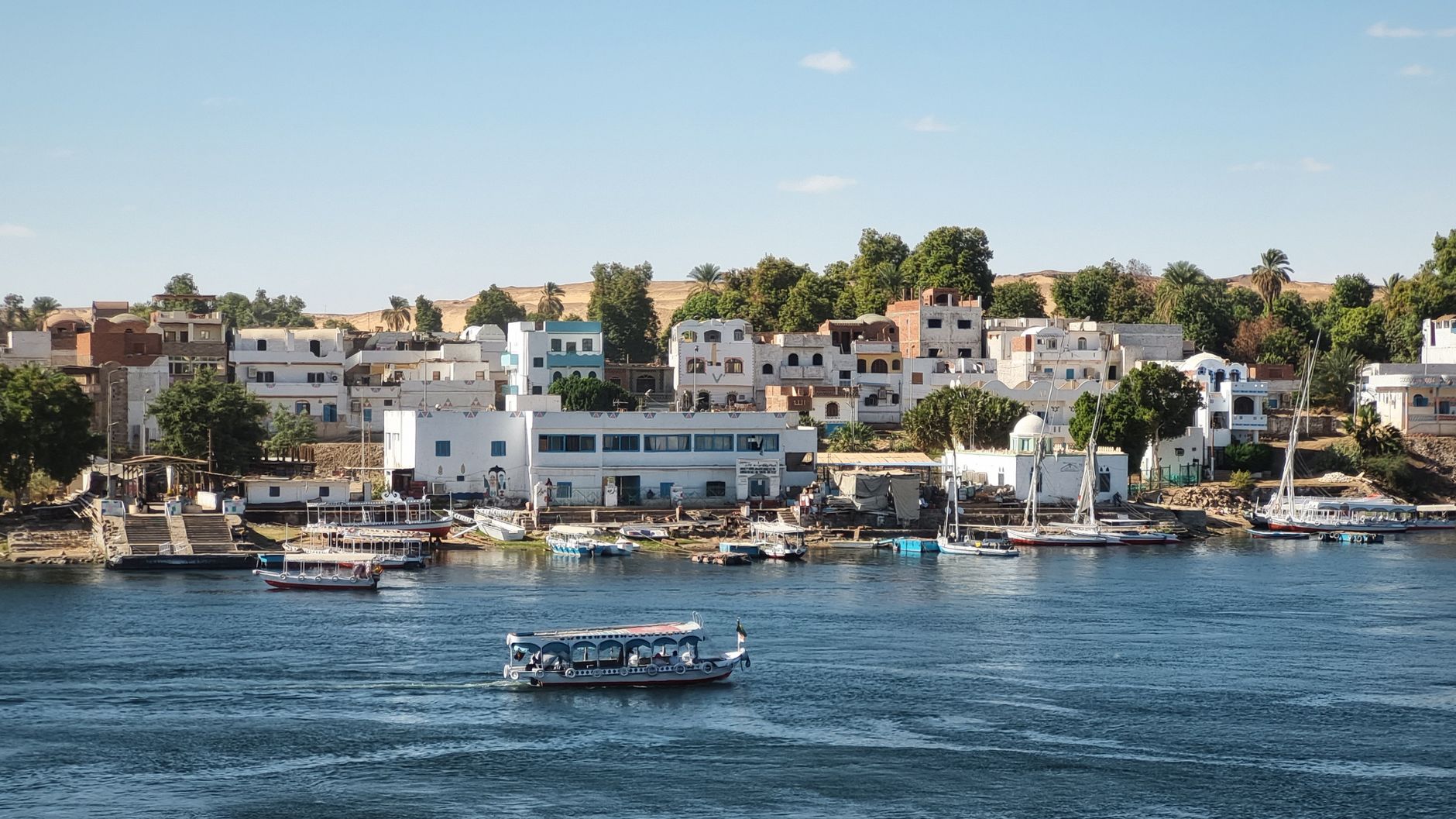
Rivers are the arteries of our planet. They carve valleys, deposit fertile sediments, sustain ecosystems, and have cradled every major human civilization since the dawn of history. The Nile gave Egypt its black land — the fertile strip of farmable soil amid the desert. The Tigris and Euphrates watered Mesopotamia, the cradle of writing, law, and the wheel. The Indus nourished one of the ancient world's most sophisticated urban cultures. Understanding rivers is understanding the story of humanity itself.
Top 10 Longest Rivers in the World
| Rank | River | Length (km) | Continent |
|---|---|---|---|
| 1 | Nile | 6,650 | Africa |
| 2 | Amazon | 6,400 | South America |
| 3 | Yangtze | 6,300 | Asia |
| 4 | Mississippi-Missouri | 6,275 | North America |
| 5 | Yenisei-Angara | 5,539 | Asia |
| 6 | Yellow River (Huang He) | 5,464 | Asia |
| 7 | Ob-Irtysh | 5,410 | Asia |
| 8 | Congo | 4,700 | Africa |
| 9 | Amur-Argun | 4,444 | Asia |
| 10 | Lena | 4,400 | Asia |
The Amazon: River of Records
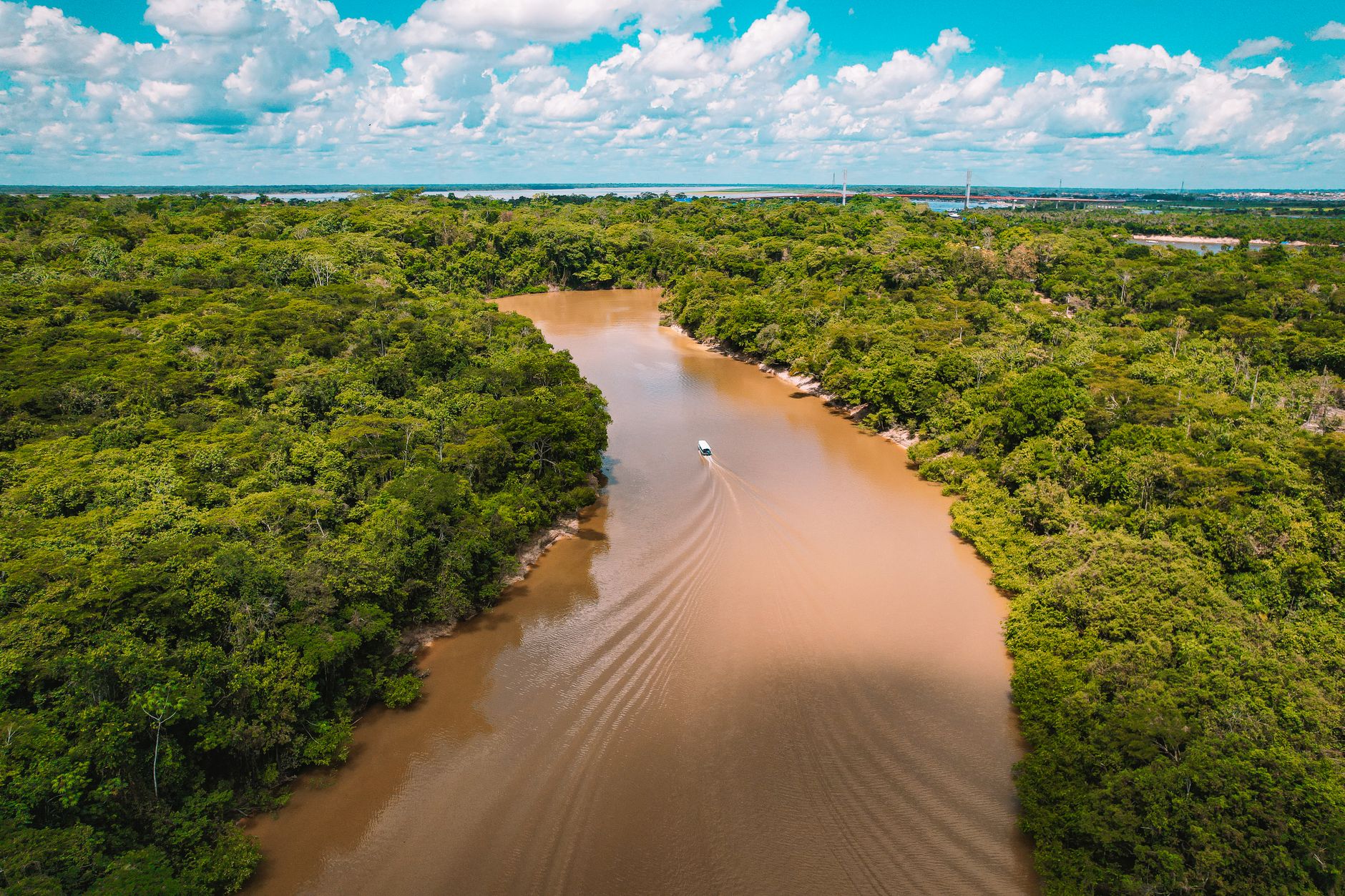
Although the Nile edges out the Amazon in length, the Amazon is unrivalled in almost every other measure. Its basin, the Amazon rainforest, spans about 5.5 million km² and houses 10% of all species on Earth. The river discharges so much fresh water that it dilutes the salinity of the Atlantic Ocean for hundreds of kilometres offshore. During the wet season, the Amazon floodplain expands to over 350,000 km² — an area larger than Germany. The river is so wide in places that you cannot see the opposite bank from the shore.
Europe's River Network
Europe may be a relatively small continent, but its rivers have had an outsized impact on world history. The Rhine formed the northern frontier of the Roman Empire and today drains one of the world's most industrialized regions. The Danube, flowing through 10 countries, was a highway for trade and conquest from the Roman era to the Ottoman age. The Volga — Europe's longest river — was the backbone of the medieval Volga trade route connecting Scandinavia to the Islamic world. The Seine made Paris, and the Thames made London.
Asia's Mighty Rivers
Asia is home to the greatest number of major rivers on Earth. The Yangtze and Yellow River (Huang He) gave birth to Chinese civilization over 5,000 years ago. The Ganges is not just a river but a goddess in Hindu tradition, sacred to over a billion people. The Mekong sustains the livelihoods of 70 million people across six countries. The Indus gave India its name. And the Yenisei and Ob — Siberian giants — drain vast Arctic territories largely untouched by human development.
Famous River Facts
- The Amazon contains about 20% of all fresh water that flows into the world's oceans.
- The Congo is the only major river that crosses the equator twice.
- The Nile flows northward — one of the few major rivers to do so.
- The Mississippi drains water from 31 U.S. states and 2 Canadian provinces.
- The Volga accounts for about 80% of the Caspian Sea's water inflow.
- The Mekong is home to the world's largest freshwater fish, the giant Mekong catfish.
- Victoria Falls on the Zambezi is so loud it can be heard 40 km away.
More Quizzes You'll Love
- World Capitals Quiz — Test your knowledge of capital cities
- Flags of the World Quiz — Recognize flags from around the globe
- Oceans and Seas Quiz — Dive deep into Earth's waters
- Mountains of the World Quiz — How high can your score go?
- Famous Landmarks Quiz — Do you know these iconic places?
- National Parks of the World Quiz — From Yellowstone to the Serengeti, name them all
Answers Explained
Q: What is the longest river in the world?
A: Nile (6,650 km)
The Nile flows approximately 6,650 km northward through northeastern Africa to the Mediterranean Sea, making it the world's longest river by the traditional measurement.
Q: Which river has the greatest discharge volume?
A: Amazon
The Amazon releases about 209,000 m³/s into the Atlantic — roughly 20% of all fresh water entering the world's oceans — far exceeding any other river.
Q: What is the deepest river in the world?
A: Congo
The Congo reaches depths over 220 m in some sections due to its steep gradient and narrow rocky canyon, making it the world's deepest river.
Q: Through how many countries does the Danube flow?
A: 10 countries
The Danube flows through Germany, Austria, Slovakia, Hungary, Croatia, Serbia, Bulgaria, Romania, Moldova, and Ukraine — more countries than any other river.
Q: The Zambezi River is famous for which waterfall?
A: Victoria Falls
Victoria Falls (Mosi-oa-Tunya) on the Zambia-Zimbabwe border is the world's largest waterfall by width and height combined, at 1,708 m wide and 108 m tall.
Frequently Asked Questions
What is the longest river in the world?
The Nile River in northeastern Africa, at approximately 6,650 km (4,130 miles), is generally recognized as the world's longest river. It flows northward through 11 countries to the Mediterranean Sea.
What is the difference between the Amazon and the Nile in terms of water volume?
While the Nile may be longer in distance, the Amazon dwarfs it in water volume. The Amazon discharges about 209,000 cubic metres per second into the Atlantic Ocean — roughly 60 times more than the Nile's flow into the Mediterranean.
Which river is the deepest in the world?
The Congo River in Central Africa is the world's deepest river, with depths exceeding 220 metres (720 feet) in its lower canyon section. It is also the second largest by discharge volume after the Amazon.
What river flows through the most countries?
The Danube flows through 10 countries — Germany, Austria, Slovakia, Hungary, Croatia, Serbia, Bulgaria, Romania, Moldova, and Ukraine — making it the river that passes through the most sovereign nations in the world.
What are the top 5 longest rivers in the world?
The top 5 longest rivers are: 1) Nile (6,650 km), 2) Amazon (6,400 km), 3) Yangtze (6,300 km), 4) Mississippi-Missouri (6,275 km), 5) Yenisei-Angara (5,539 km). Rankings can vary slightly depending on measurement methodology.
Which famous waterfall is on the Zambezi River?
Victoria Falls (Mosi-oa-Tunya, meaning 'The Smoke That Thunders') sits on the Zambezi River at the border of Zambia and Zimbabwe. It is the world's largest waterfall by the combined measure of width (1,708 m) and height (108 m).