Weather and Climate Quiz — 12 Questions to Test Your Knowledge
Weather and climate shape everything from daily commutes to global agriculture, yet the two terms are often confused. Understanding fronts, cloud types, storm systems and atmospheric pressure helps explain why the sky does what it does.
This weather and climate quiz covers 12 questions spanning storms, clouds, hurricanes, forecasting tools and the science of the atmosphere. Each question comes with a short explanation, so you'll pick up real meteorology knowledge either way.
No registration required. No timers. Just pure weather knowledge — pick your answer and see how close you get to a perfect score.
Fun Facts About Weather You Probably Didn't Know
Even after centuries of forecasting, the atmosphere still has surprises:
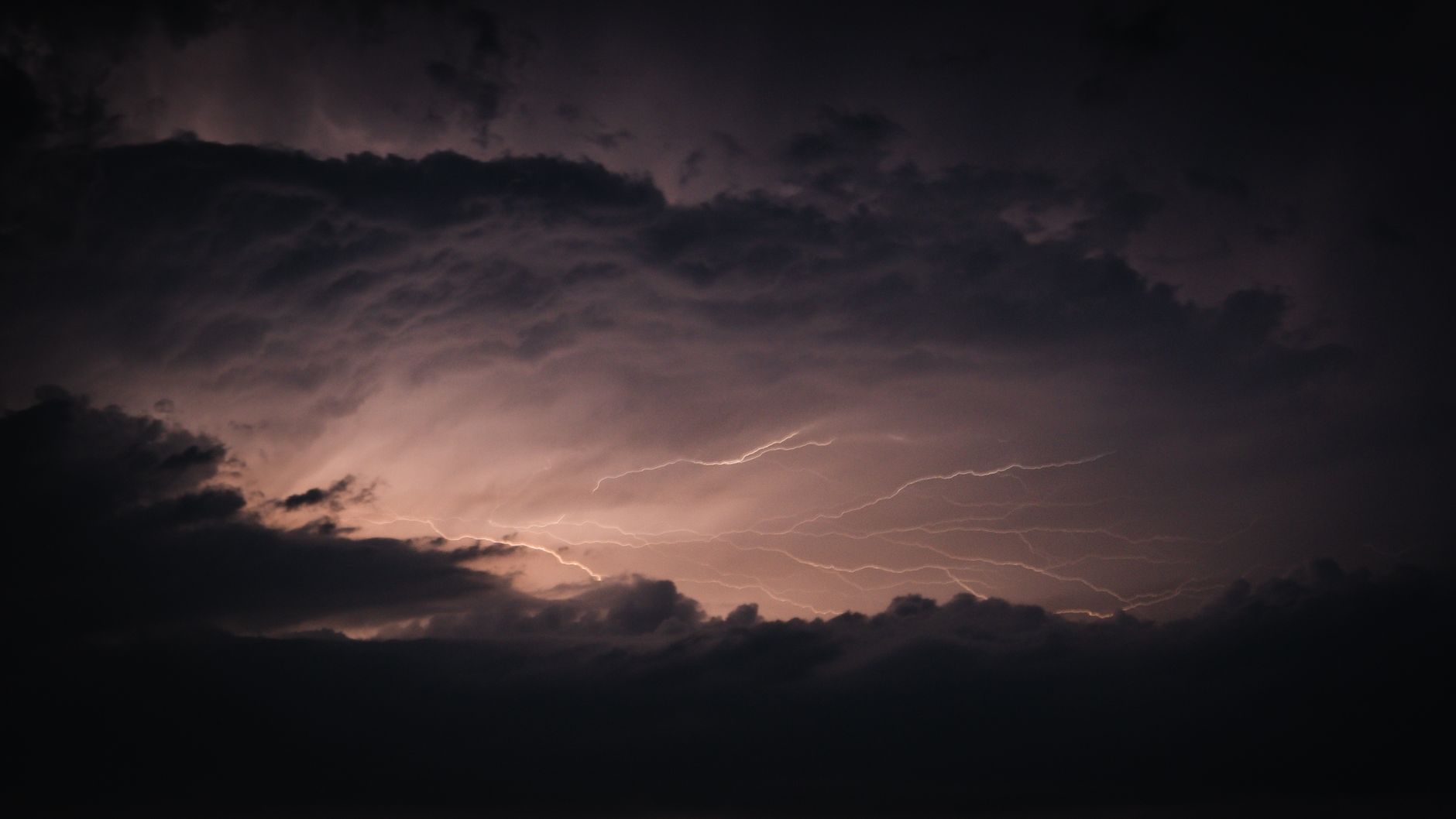
🌩 Lightning Strikes Earth About 8 Million Times a Day
Scientists estimate roughly 8 million lightning strikes hit the planet daily — around 100 every second.
🌪 Raindrops Aren't Teardrop-Shaped
Small raindrops are nearly spherical, while larger ones flatten on the bottom like a hamburger bun as they fall.
🌀 The Coldest Place on Earth Is Antarctica
A temperature of -89.2°C (-128.6°F) was recorded at Vostok Station, Antarctica, in 1983 — the coldest natural temperature ever measured.
🌬 Hurricanes Are Named Alphabetically Each Season
The World Meteorological Organization assigns hurricane names in alphabetical order from a pre-approved rotating list each year.
☁ Clouds Can Weigh Millions of Kilograms
A typical cumulus cloud can weigh over a million pounds — but it stays aloft because its water droplets are spread across a huge volume of air.
🌡 The Sahara Sometimes Sees Snow
Rare cold snaps have brought snowfall to parts of the Sahara Desert several times in the past decade, surprising residents and scientists alike.
Common Weather Myths — Busted
Weather folklore is everywhere. Here's what's actually true:
- Myth: Lightning never strikes the same place twice. Tall structures like the Empire State Building are struck by lightning dozens of times every year — lightning tends to hit the same prominent points repeatedly.
- Myth: You can't get sunburned on a cloudy day. Up to 80% of UV rays can pass through cloud cover, so sunburn is still very possible even when the sky looks overcast.
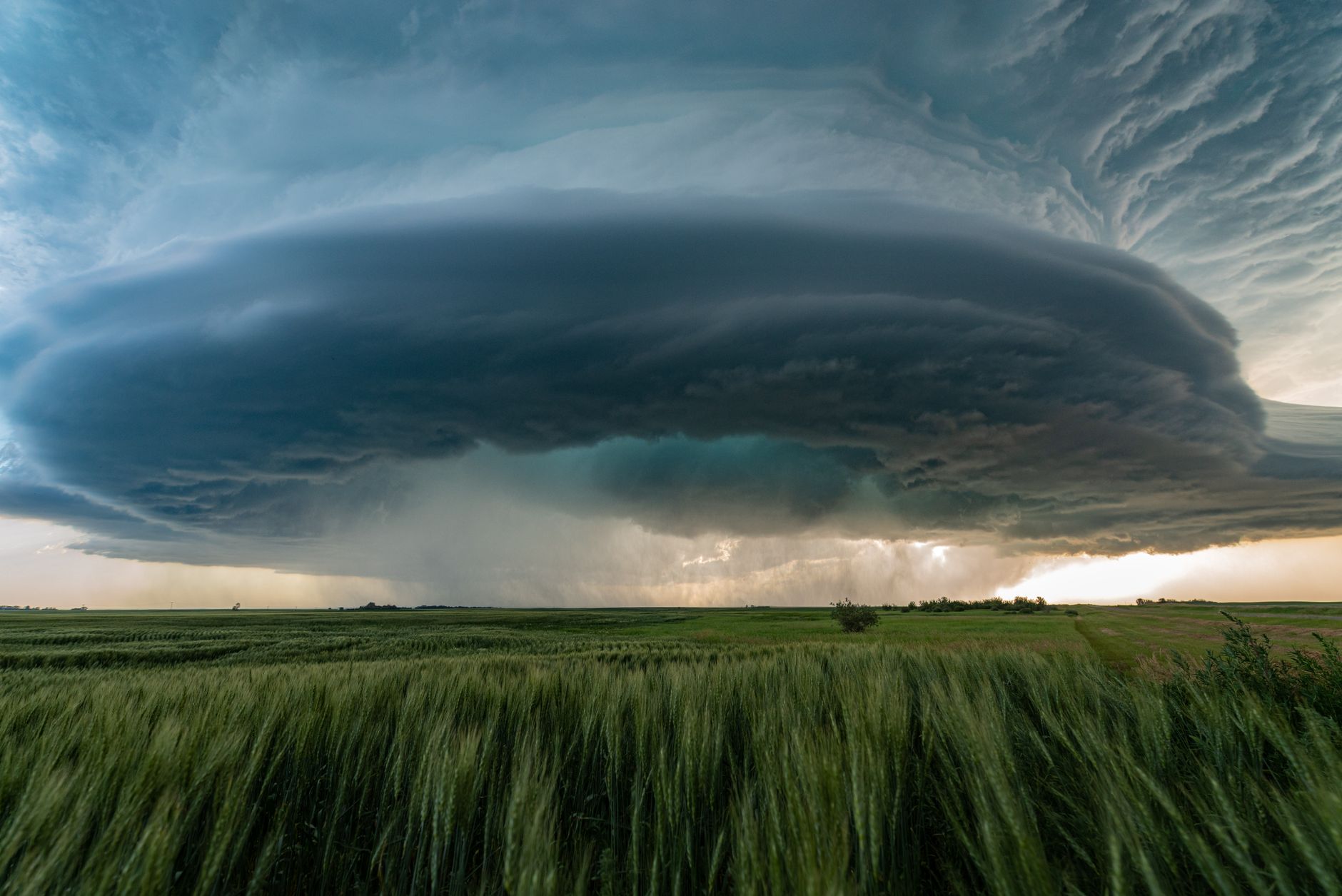
- Myth: Tornadoes never hit big cities. While rarer than in open plains due to smaller target areas, tornadoes have struck major cities including Dallas, Miami and Nashville.
- Myth: Weather and climate mean the same thing. Weather is what's happening in the atmosphere right now or this week; climate is the long-term average pattern over decades.
- Myth: Cold weather means there's no global warming. A single cold snap reflects short-term weather, not the long-term climate trend, which is measured in decades of global data, not one location's temperature on one day.
Why Weather and Climate Science Still Matters
From daily forecasts to long-term planning, meteorology and climatology affect nearly every part of modern life:
Forecasting Saves Lives
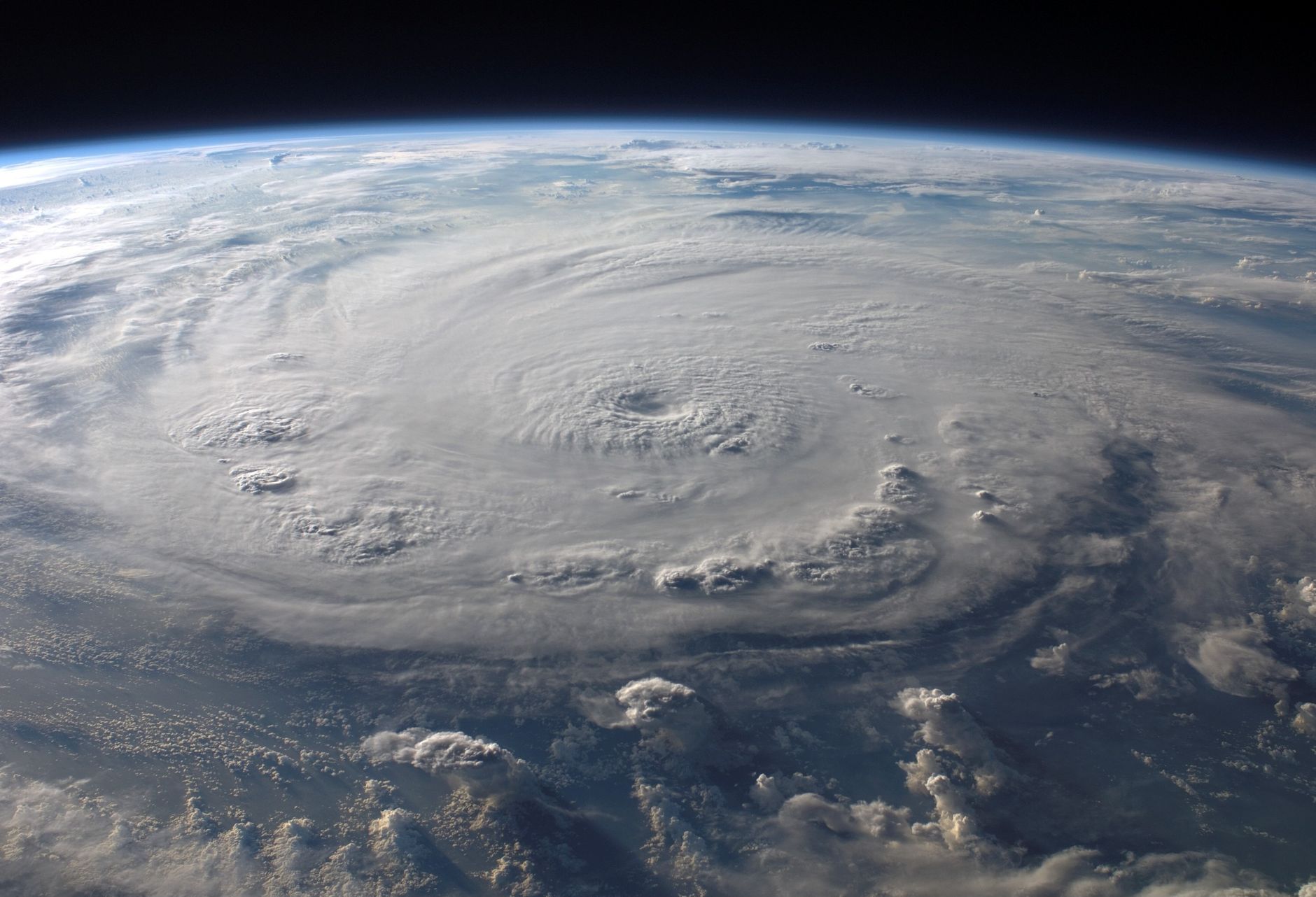
Early hurricane and tornado warnings, powered by satellites and radar, give communities crucial time to prepare or evacuate before severe weather hits.
Climate Shapes Where and How We Live
Agriculture, infrastructure and even architecture are all designed around a region's long-term climate patterns, not just today's forecast.
The Atmosphere Is Still Full of Mysteries
Scientists continue refining models for extreme weather events and long-term climate shifts, making meteorology one of the most active areas of Earth science research.
Frequently Asked Questions About Weather and Climate
What is the difference between weather and climate?
Weather describes short-term atmospheric conditions, while climate is the average weather pattern in a region measured over decades.
What causes lightning?
Lightning occurs when electrical charge builds up inside a storm cloud and discharges suddenly, either within the cloud or toward the ground.
What is the eye of a hurricane?
The eye is a relatively calm, low-pressure area at the center of a hurricane, surrounded by the eyewall, which holds the storm's strongest winds.
Which cloud type produces thunderstorms?
Cumulonimbus clouds are the tall, dense storm clouds responsible for thunder, lightning, heavy rain and sometimes hail or tornadoes.
What instrument measures atmospheric pressure?
A barometer measures atmospheric pressure, helping forecasters anticipate incoming changes in the weather.