🌍 Geography · 10 Questions
Asian Cities Quiz: How Well Do You Know Asia's Capitals?
From Tokyo to Bangkok, from Beijing to New Delhi — think you know your Asian capitals? Test your knowledge of the continent's most important cities and urban centers!
Asian Cities Quiz — 10 Questions to Test Your Asia Geography Knowledge
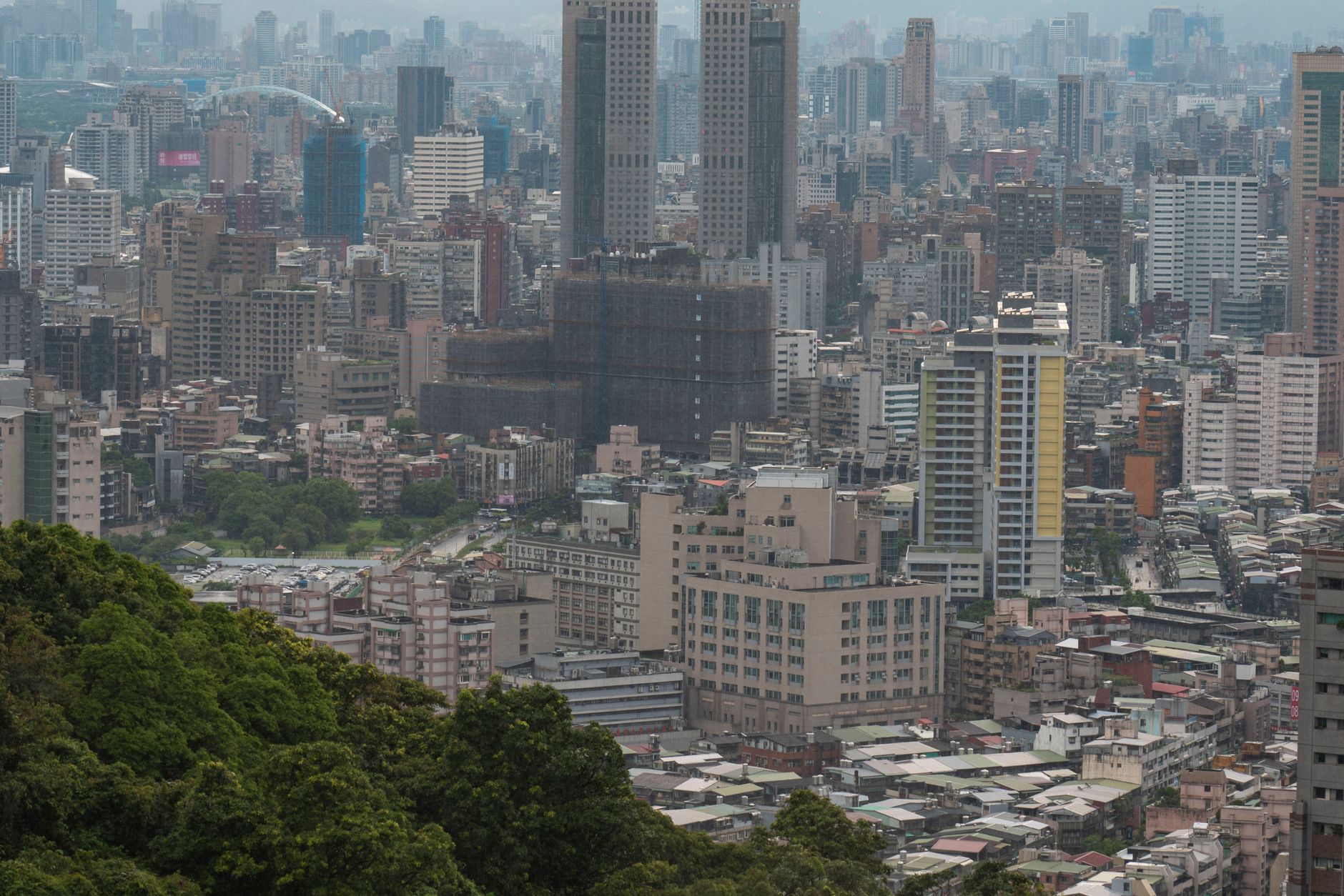
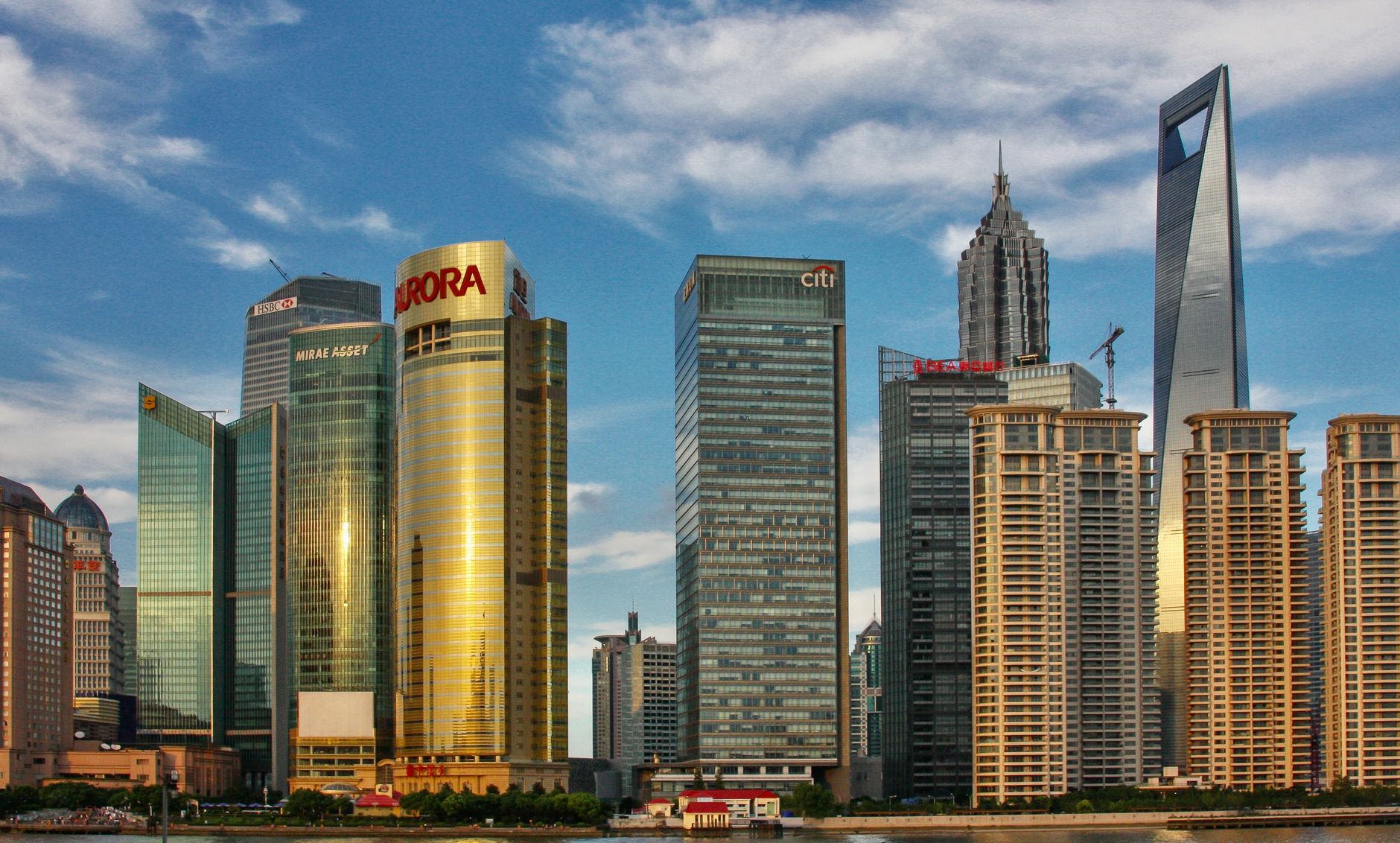
Asia is home to some of the world's most dynamic and fascinating capital cities. From the ultra-modern towers of Tokyo to the ancient temples of Bangkok, from the bustling streets of Shanghai to the organized efficiency of Singapore, Asia's capitals tell the story of a continent that blends ancient traditions with cutting-edge modernity.
This Asian cities quiz covers 10 major Asian capitals across East Asia, Southeast Asia, and South Asia. Each question tests your knowledge of real, verified capital cities and their defining characteristics — and every answer comes with an explanation so you learn something new, not just whether you got it right or wrong.
Do you know which city is the capital of Thailand? Can you distinguish between India's financial capital and its political capital? Ready to test your Asia geography knowledge? Pick your answer and see how you stack up against other geography enthusiasts!
Fun Facts About Asian Capitals You Probably Didn't Know
Asia's capital cities are incredibly diverse, each with their own unique history, culture, and significance. Here are some fascinating facts about Asia's most important urban centers:
🇯🇵 Tokyo Is the World's Largest Metropolitan Area
With over 37 million people, Tokyo's metropolitan area is larger than the entire population of Canada. It's been Japan's capital since 1868 and is the world's leading economic hub.
🇨🇲 Bangkok's Official Name Is Incredibly Long
Bangkok's official Thai name, Krung Thep Maha Nakhon, is one of the longest place names in the world. Most locals just call it Bangkok, meaning "village of wild plums."
🇬🇳 Beijing Was the Capital of Multiple Chinese Dynasties
Beijing (formerly Peking) has been a major settlement for over 3,000 years and served as the capital during the Yuan, Ming, and Qing dynasties, cementing its importance in Chinese history.
🇸🇦 Seoul Is South Korea's Megacity
Seoul is the capital of South Korea and one of the world's most dynamic cities. Nearly half of South Korea's population lives in the Seoul metropolitan area, making it the nation's undisputed economic and cultural center.
🇸 Singapore is a City-State, Not Just a City
Singapore is one of the world's only city-states, where the city is also the entire country. It's a global financial center and one of the world's busiest ports, with one of the highest standards of living in Asia.
🇮🇾 New Delhi Was Built by the British
New Delhi was purpose-built by British colonial architects in the early 1900s and became India's capital in 1931. It was designed as a planned city with wide avenues and imperial architecture.
The Trickiest Asian Capitals (Questions People Often Get Wrong)
Many people confuse Asia's capitals with other major cities in the same country. Here are five of the trickiest ones that trip up even seasoned geography enthusiasts:
- India → New Delhi (not Mumbai): Mumbai is India's largest city and financial capital, but New Delhi is the political capital and seat of government. Many people mix these two up.
- Vietnam → Hanoi (not Ho Chi Minh City): Ho Chi Minh City (formerly Saigon) is larger and more famous internationally, but Hanoi has been Vietnam's capital since 1010 and is the center of government.
- Thailand → Bangkok (not Phuket or Pattaya): While Phuket and Pattaya are famous tourist destinations, Bangkok is Thailand's capital and by far the largest city with over 10 million people.
- Philippines → Manila (not Cebu or Davao): The Philippines has several large cities, but Manila is the capital and has been the country's center since it was founded by Spanish conquistadors in 1571.
- South Korea → Seoul (not Busan): Busan is South Korea's second-largest city and an important port, but Seoul is the capital and overwhelmingly the largest city with nearly 10 million residents in the city proper.
Understanding Asia's Capital Cities: Geography and Geopolitics
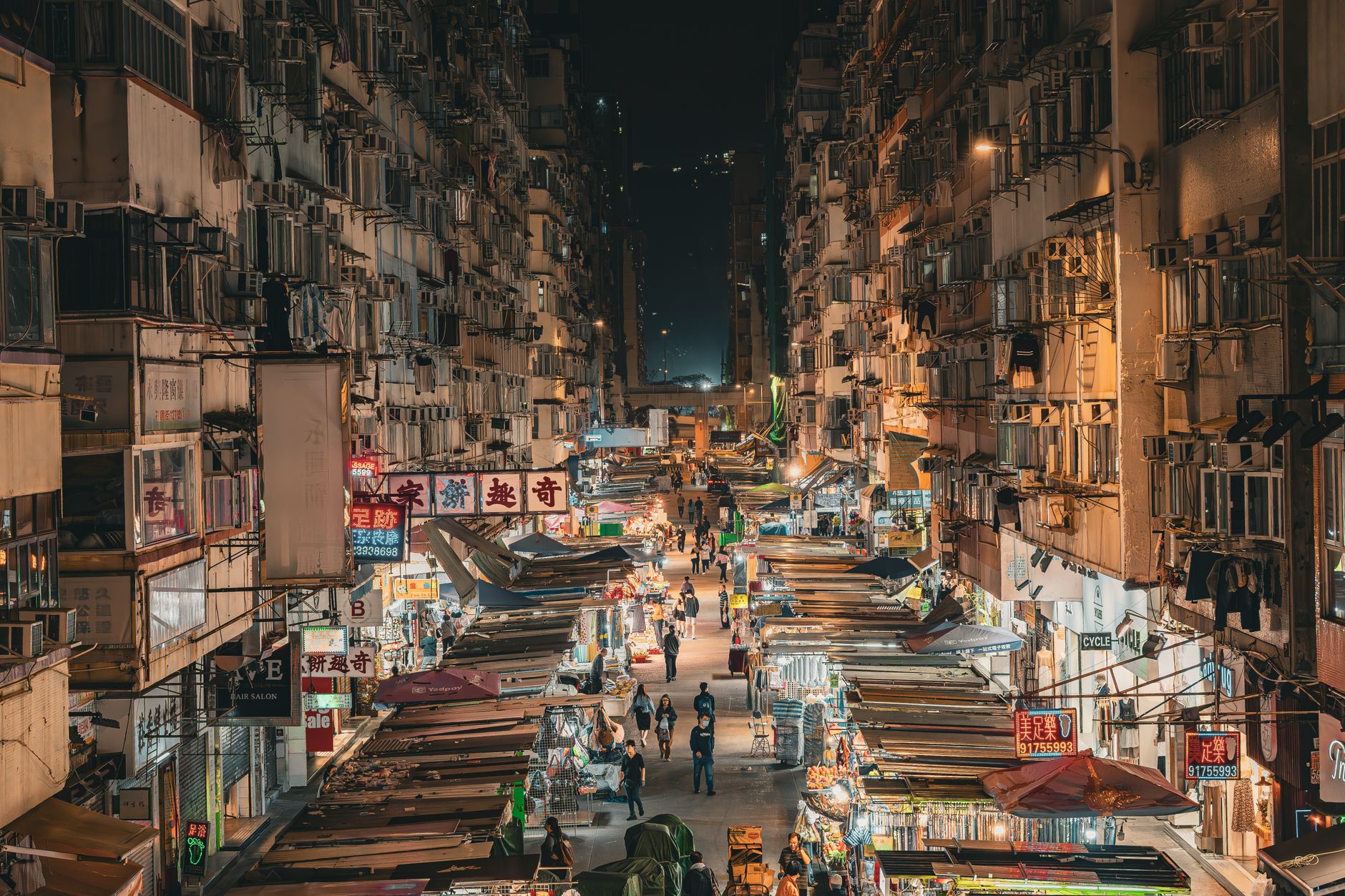
Asia's capital cities are incredibly diverse, reflecting the continent's complex history, geography, and geopolitics. Understanding these cities means understanding Asia itself.
East Asian Capitals: Ancient Civilizations Meet Modern Power
Tokyo, Beijing, and Seoul are three of the world's largest metropolitan areas and represent the economic power of East Asia. Tokyo rebuilt itself after WWII to become a global technology hub. Beijing connects thousands of years of Chinese history with modern ambitions. Seoul transformed from a divided city to a cutting-edge metropolis in just decades.
Southeast Asian Capitals: Tropical Hubs and Trading Centers
Bangkok, Hanoi, Manila, and Kuala Lumpur are Southeast Asian capitals that blend colonial history with tropical dynamism. Many were founded by explorers and traders centuries ago and have evolved into major regional hubs. Singapore stands out as a unique city-state that transformed from a sleepy colonial outpost into one of the world's leading financial centers.
South Asian Capitals: Scale and Significance
New Delhi and Dhaka represent South Asia's political power. New Delhi was purpose-built as India's capital and reflects British colonial planning. Dhaka, while less formally planned, has become one of the most densely populated cities on Earth and a crucial hub for Bangladesh's economy.
Frequently Asked Questions About Asian Capitals
Is Singapore a country or a city?
Singapore is both a city and an independent country. It's one of the world's only city-states, where the entire country consists of a city and surrounding islands. Singapore gained independence from Malaysia in 1965 and is now one of the world's most developed nations and a major global financial center.
Why is Mumbai not India's capital?
Mumbai is India's largest city and financial capital, but New Delhi is the political capital where the government and parliament are located. India, like many countries, has separate financial and political capitals. New Delhi was purpose-built as the capital and officially became the seat of government in 1931.
How many capital cities are in Asia?
Asia has 50 countries according to most international definitions, so there are approximately 50 capital cities. However, some Asian capitals are more prominent and well-known than others. The ten covered in this quiz represent some of Asia's largest and most important urban centers.
What is the oldest capital in Asia?
Several Asian capitals claim ancient origins. Delhi (including New Delhi) has been a major capital for over 1,000 years, serving as the capital during various Islamic sultanates and the Mughal Empire. Other ancient Asian capitals include Xi'an (China) and Kyoto (Japan's former capital).
Which Asian capital is the most visited?
Bangkok is often cited as one of the most visited Asian capitals, attracting millions of international tourists annually. Tokyo is also extremely popular with visitors. Both cities combine cultural attractions, modern amenities, and excellent infrastructure that appeal to tourists from around the world.
Why did Vietnam's capital remain Hanoi instead of moving to Ho Chi Minh City?
After the Vietnam War ended in 1975, Hanoi remained the political capital despite Ho Chi Minh City (formerly Saigon) being larger and more economically developed. The Vietnamese government chose to keep Hanoi as the capital, maintaining Vietnam's traditional political center in the north.