🐕 Dog Breeds Quiz
From tiny Chihuahuas to towering Great Danes, dogs come in an astonishing range of shapes, sizes and skills. This quiz covers breed origins, world records, temperament and the stories behind humanity's oldest animal companion. Think you can score a perfect 10?
Answers Explained
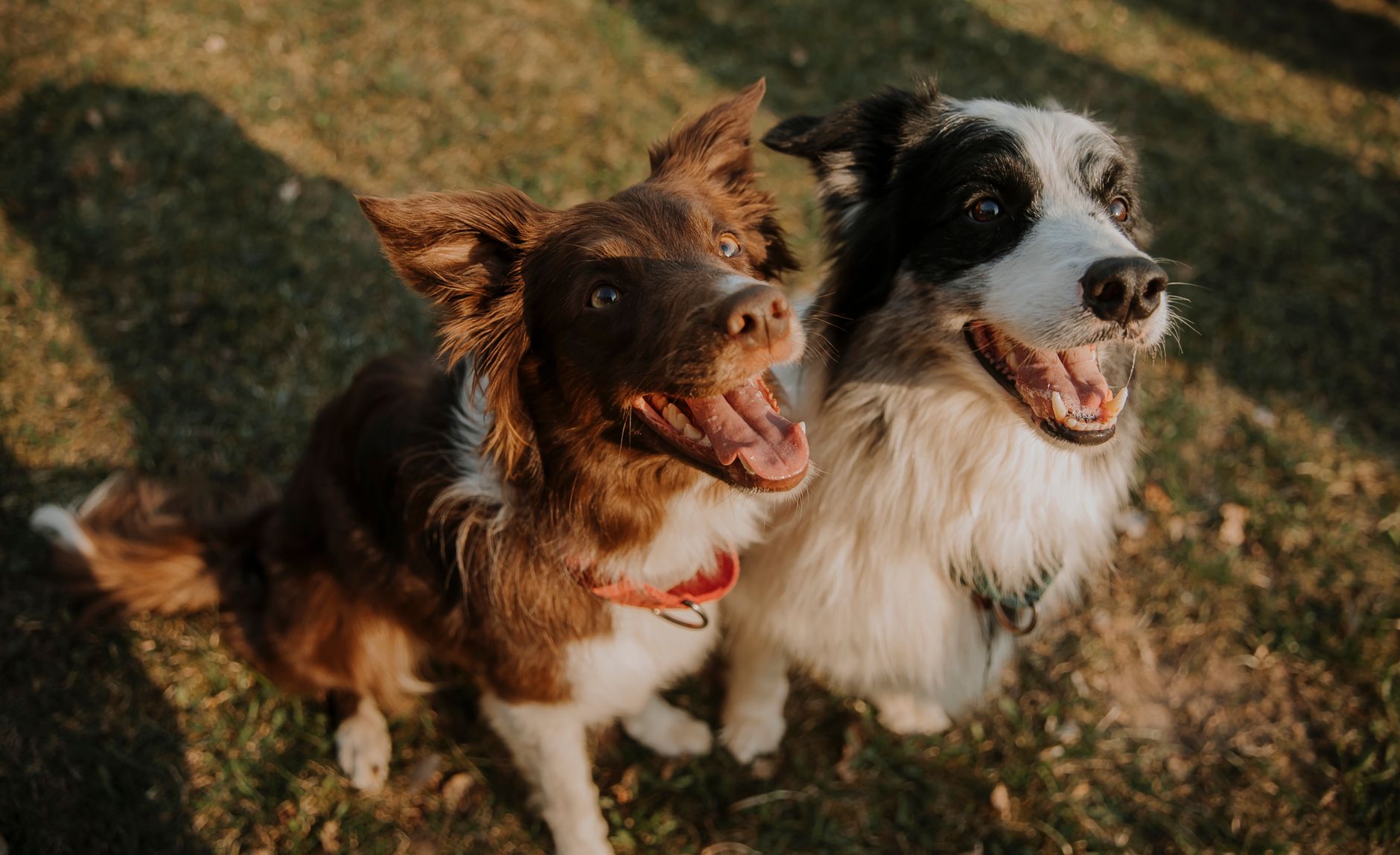
Q: Why is the Border Collie considered the smartest dog breed?
A: It was bred for centuries to interpret subtle human signals while herding sheep independently.
Canine researcher Stanley Coren ranked the Border Collie #1 in working and obedience intelligence, noting it can learn a new command in under five repetitions and obeys the first command given over 95% of the time. Its herding role demanded constant problem-solving and reading a shepherd's cues from a distance.
Q: Why does the Chihuahua stay so small compared to other breeds?
A: Selective breeding in Mexico over centuries favored companion-sized dogs descended from the Techichi.
The Chihuahua descends from the Techichi, a small companion dog kept by the Toltec civilization. Breeders in the state of Chihuahua refined the size further in the 19th century, producing today's 2-6 pound companion breed — the smallest recognized by major kennel clubs.
Q: How is the Greyhound built for such extreme speed?
A: Its skeletal structure, muscle-to-body ratio and double-suspension gallop are unmatched among dogs.
Greyhounds have a flexible spine, long stride, deep chest for lung capacity, and a "double-suspension gallop" where all four paws leave the ground twice per stride. This combination lets them reach 45 mph within seconds, making them the fastest breed over short sprints.

Frequently Asked Questions
What is the smallest dog breed in the world?
The Chihuahua is the smallest dog breed by height and weight, typically standing 5-8 inches tall and weighing 2-6 pounds. It originated in Mexico and is named after the state of Chihuahua.
What is the fastest dog breed?
The Greyhound is the fastest dog breed, capable of reaching speeds up to 45 mph (72 km/h) in short bursts. Its lean, aerodynamic body and long legs are built for sprinting.
Which dog breed is considered the most intelligent?
The Border Collie is widely ranked as the most intelligent dog breed based on obedience and working intelligence studies, able to learn new commands in under 5 repetitions.
What is the tallest dog breed?
The Great Dane is the tallest dog breed on average, with males standing at least 30 inches at the shoulder. The tallest Great Dane on record stood over 44 inches tall.
How many dog breeds are officially recognized?
The American Kennel Club (AKC) recognizes over 200 dog breeds, while the Fédération Cynologique Internationale (FCI) recognizes around 360 breeds worldwide across 10 breed groups.
What is the oldest dog breed in the world?
The Basenji and Saluki are among the oldest known dog breeds, with genetic and archaeological evidence tracing them back thousands of years to ancient Africa and the Middle East.
Which dog breed sheds the least?
Breeds like the Poodle, Bichon Frise and Portuguese Water Dog shed very little because they have hair rather than fur, which grows continuously instead of shedding in seasonal cycles.
Which breed was the most popular in the US for over 30 years?
The Labrador Retriever was the AKC's most registered breed for 31 consecutive years (1991-2022), prized for its friendly temperament, before the French Bulldog took the top spot.
Everything You Need to Know About Dog Breeds
Dogs were the first animal domesticated by humans, with wolves and early humans forming a partnership that stretches back at least 15,000 years. That deep history is why dogs today show more physical and behavioral variety than any other mammal species — from the 2-pound Chihuahua to the 200-pound Mastiff, all technically the same species, Canis familiaris.
Most modern breeds were shaped by function long before they became companions. Herding breeds like the Border Collie and German Shepherd were selected for trainability and stamina on the farm. Sled dogs like the Siberian Husky and Alaskan Malamute were bred for endurance in brutal cold. Sighthounds like the Greyhound and Whippet were built purely for speed, while giant breeds like the St. Bernard and Newfoundland were valued for size and a calm temperament suited to rescue work.
Kennel clubs organize this diversity into groups — the AKC recognizes over 200 breeds across seven categories: Sporting, Hound, Working, Terrier, Toy, Non-Sporting and Herding. Internationally, the Fédération Cynologique Internationale recognizes around 360 breeds across 10 groups, reflecting how differently countries have classified and developed their native dogs over centuries.
Popularity shifts over time too. The Labrador Retriever held the AKC's #1 spot for 31 consecutive years before the French Bulldog overtook it in the early 2020s, driven by its compact size and low-maintenance exercise needs. Whether you scored a perfect 10/10 above or discovered a new fact about man's best friend, the sheer diversity of dog breeds is a living record of thousands of years of partnership between humans and dogs.