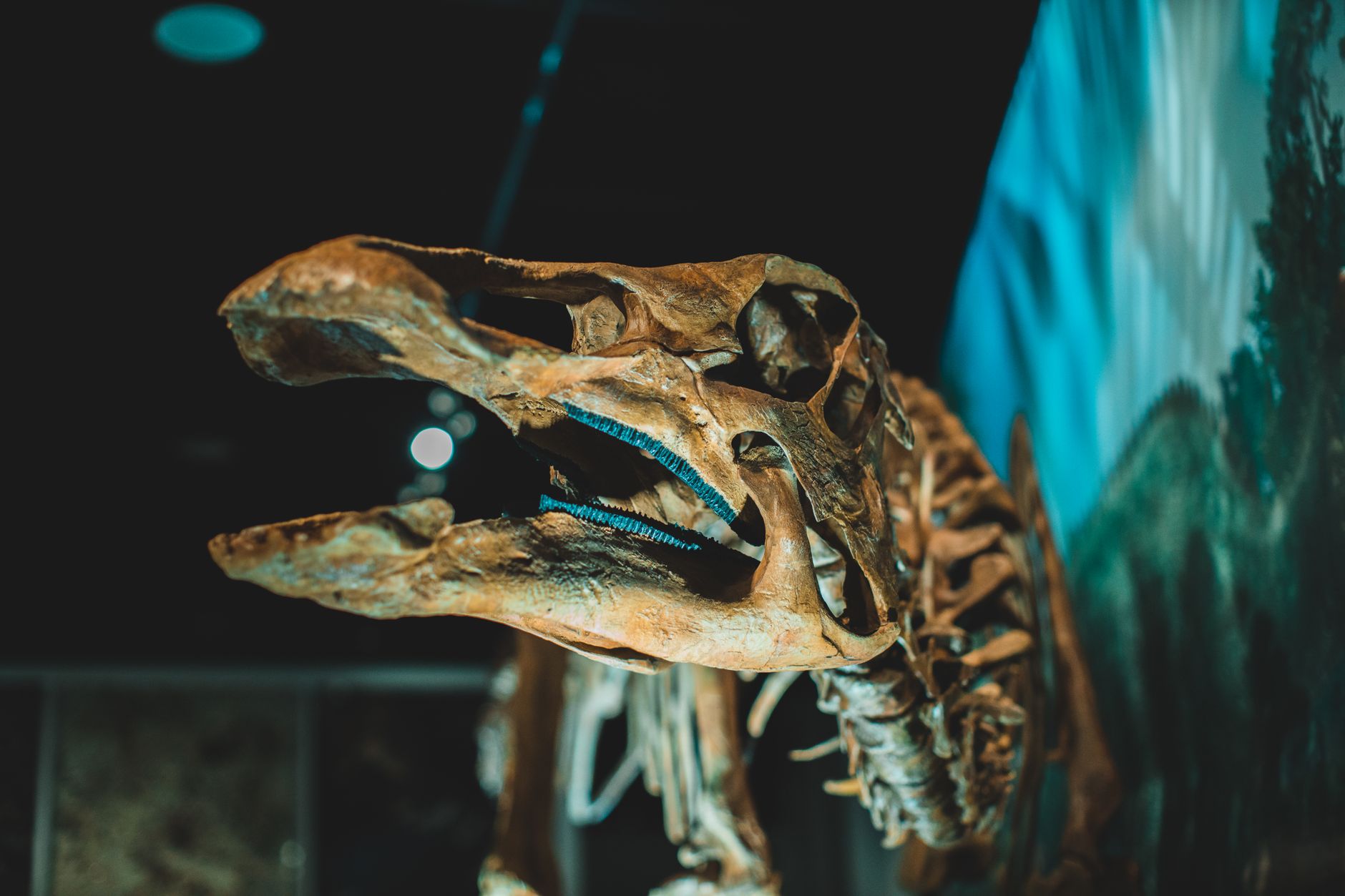
Dinosaurs Quiz — 12 Questions About the Mesozoic Era
This dinosaurs quiz covers everything from the Triassic origins of dinosaurs to their dramatic extinction 66 million years ago. You'll be tested on carnivores, herbivores, paleontology facts, and some surprising scientific discoveries that even die-hard dinosaur fans might not know.
Each question includes a detailed explanation after you answer — so even wrong answers become a learning opportunity. Ready to travel back to the Mesozoic era?
The Ultimate Dinosaur Quick Reference Guide
Before checking your score, explore this quick-reference guide to 12 of the most iconic dinosaurs in prehistoric history. From apex predators to gentle giants, each species shaped the ecosystems of their time.
T. rex
Tyrannosaurus Rex — apex predator
Cretaceous · 12m · Carnivore
Triceratops
Three-horned herbivore with frill
Cretaceous · 9m · Herbivore
Stegosaurus
Plated dinosaur with spiked tail
Jurassic · 9m · Herbivore
Brachiosaurus
Long-necked high browser
Jurassic · 26m · Herbivore
Spinosaurus
Sail-backed aquatic predator
Cretaceous · 14m · Carnivore
Velociraptor
Feathered pack hunter
Cretaceous · 1.8m · Carnivore
Ankylosaurus
Armored tank with club tail
Cretaceous · 10m · Herbivore
Diplodocus
Whip-tail sauropod giant
Jurassic · 27m · Herbivore
Pterodactyl
Flying reptile (not a dinosaur)
Jurassic · 1.5m wingspan · Carnivore
Iguanodon
First identified herbivore
Cretaceous · 10m · Herbivore
Allosaurus
Jurassic apex predator
Jurassic · 12m · Carnivore
Pachycephalosaurus
Dome-headed social dinosaur
Cretaceous · 4.5m · Herbivore
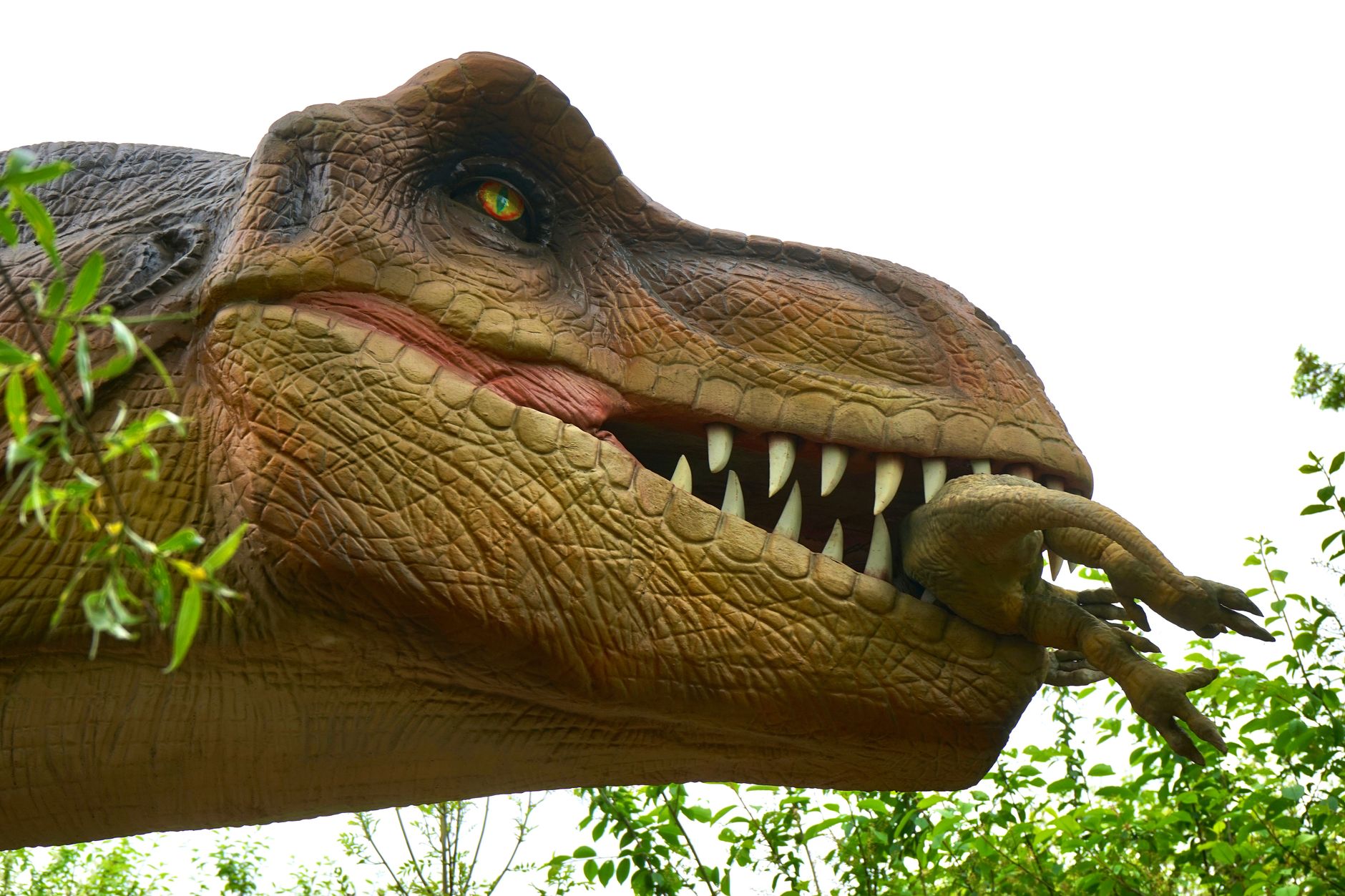
The Three Periods of the Mesozoic Era Explained
Dinosaurs didn't all live at the same time — the Mesozoic Era lasted from approximately 252 to 66 million years ago and is divided into three distinct periods, each with its own dominant dinosaur species and environmental conditions.
The Triassic Period (252–201 million years ago)
Dinosaurs first appeared during the Late Triassic, evolving from archosaur ancestors in what is now South America and Africa. Early dinosaurs were relatively small — the dog-sized Eoraptor and chicken-sized Herrerasaurus were among the first. The Triassic ended with a mass extinction event that wiped out many competing reptile groups, leaving dinosaurs to dominate.
The Jurassic Period (201–145 million years ago)
The Jurassic is often called the Golden Age of Dinosaurs. Massive sauropods like Brachiosaurus and Diplodocus dominated as the largest animals on land. Predators like Allosaurus roamed Jurassic North America, while Stegosaurus displayed its iconic back plates. The first birds also evolved during this period — direct descendants of small feathered theropods.
The Cretaceous Period (145–66 million years ago)
The Cretaceous was the longest period and saw the greatest diversity of dinosaur species. T-Rex, Triceratops, Velociraptor, Ankylosaurus, and Spinosaurus all lived during the Cretaceous. Flowering plants spread across the globe, providing new food sources for herbivores. The period ended 66 million years ago with the Chicxulub asteroid impact and resulting mass extinction.
Key Dinosaur Facts by the Numbers
| Fact | Detail |
|---|
| Duration of dinosaur dominance | ~165 million years |
| Named dinosaur species (2026) | ~1,000 valid species |
| Largest by weight | Patagotitan mayorum (~70 tonnes) |
| Largest carnivore by length | Spinosaurus (~14–15 m) |
| Smallest known dinosaur | Microraptor gui (~38 cm) |
| First dinosaur formally named | Megalosaurus (1824) |
| Asteroid impact site | Chicxulub, Yucatán, Mexico |
| T-Rex top bite force | ~57,000 Newtons (strongest of any land animal) |

Modern Paleontology: What Science Has Revealed About Dinosaurs
Feathered Dinosaurs: The Bird Connection
One of the most revolutionary discoveries in modern paleontology is that many dinosaurs — particularly theropods like Velociraptor — were covered in feathers. Fossils from China's Liaoning Province have provided remarkable specimens with preserved feather impressions. This confirms what evolutionary theory predicted: birds are the direct living descendants of small feathered theropod dinosaurs.
Velociraptor, as depicted in Jurassic Park, was actually about the size of a turkey and likely covered in feathers. The terrifying raptors in the movie were more accurately based on Deinonychus, a larger relative.
Were Dinosaurs Warm-Blooded?
For decades, scientists believed dinosaurs were slow, cold-blooded reptiles like modern lizards. Modern research tells a very different story. Evidence from bone growth rings, metabolism studies, and the behavior of modern birds and crocodilians (their closest relatives) suggests that most dinosaurs were endothermic (warm-blooded) or at least had elevated metabolic rates compared to modern reptiles.
This would explain how small theropods could be such effective hunters and how sauropods could achieve such enormous growth rates — Argentinosaurus may have grown up to 40 kg per day at its peak growth phase.
Dinosaur Intelligence
Dinosaur intelligence varied enormously by species. Large sauropods like Brachiosaurus had tiny brains relative to their body size and were likely not particularly intelligent. However, theropods — especially smaller ones — had relatively large brains and were probably as intelligent as modern birds. Troodontids had the largest brain-to-body ratio of any known dinosaur and may have had cognitive abilities comparable to modern corvids (crows and ravens).
How Fossils Form: From Creature to Stone
Fossilization is an extremely rare process — the vast majority of organisms that have ever lived left no fossil record at all. For a dinosaur to become a fossil:
- The animal had to die in or near water (most common) or in a deposit that would quickly cover the remains
- Soft tissues decay, but minerals in groundwater gradually replace bone structure
- Over millions of years, geological pressure and chemistry turn the bone to rock
- Erosion or human excavation must expose the fossil at exactly the right time
This is why the fossil record is so incomplete — we've likely discovered only 10–20% of all dinosaur species that ever existed.
Frequently Asked Questions About Dinosaurs
What was the largest dinosaur that ever lived?
The largest dinosaurs were sauropods. Patagotitan mayorum, discovered in Argentina in 2014, is considered the largest by weight at approximately 70 tonnes. For length, Supersaurus is estimated to have reached 33–34 meters. These numbers are based on fragmentary fossil evidence, so estimates may change as more complete specimens are found.
Did T-Rex have good eyesight?
Yes — T. rex had excellent eyesight, actually better than modern hawks and eagles. Its forward-facing eyes provided binocular vision and excellent depth perception. Studies of its brain cavity also suggest it had an extraordinary sense of smell, making it an extremely effective predator despite its relatively small arms.
Did dinosaurs live alongside humans?
No. Non-avian dinosaurs went extinct about 66 million years ago, while modern humans appeared only around 300,000 years ago — a gap of nearly 65.7 million years. However, birds are technically living dinosaurs, so in that sense, humans and dinosaurs do coexist today.
Were all dinosaurs large?
No — most dinosaur species were actually no larger than a modern horse. The smallest known dinosaur is Microraptor gui at about 38–47 cm long. Many dinosaurs were chicken-sized or smaller. The popular image of all dinosaurs as giants is skewed by the most famous (and largest) examples we know.
How do scientists know what dinosaurs looked like?
Paleontologists reconstruct dinosaur appearance from fossilized bones, teeth, skin impressions, and in some cases preserved feathers. Melanosomes found in fossilized feathers have allowed scientists to determine color in some feathered species. DNA has never been recovered from dinosaur fossils — the DNA molecule breaks down completely after about 1.5 million years under ideal conditions, far short of the millions of years required.