🏭 Industrial Revolution Quiz
Steam engines, cotton mills, railways, and child labor reform — the Industrial Revolution transformed how humans live, work, and travel more than almost any period in history. This 12-question quiz covers the key inventions, inventors, and social changes of the era, from James Watt's steam engine to the rise of factory cities. How much do you really know?
How the Industrial Revolution Reshaped the World
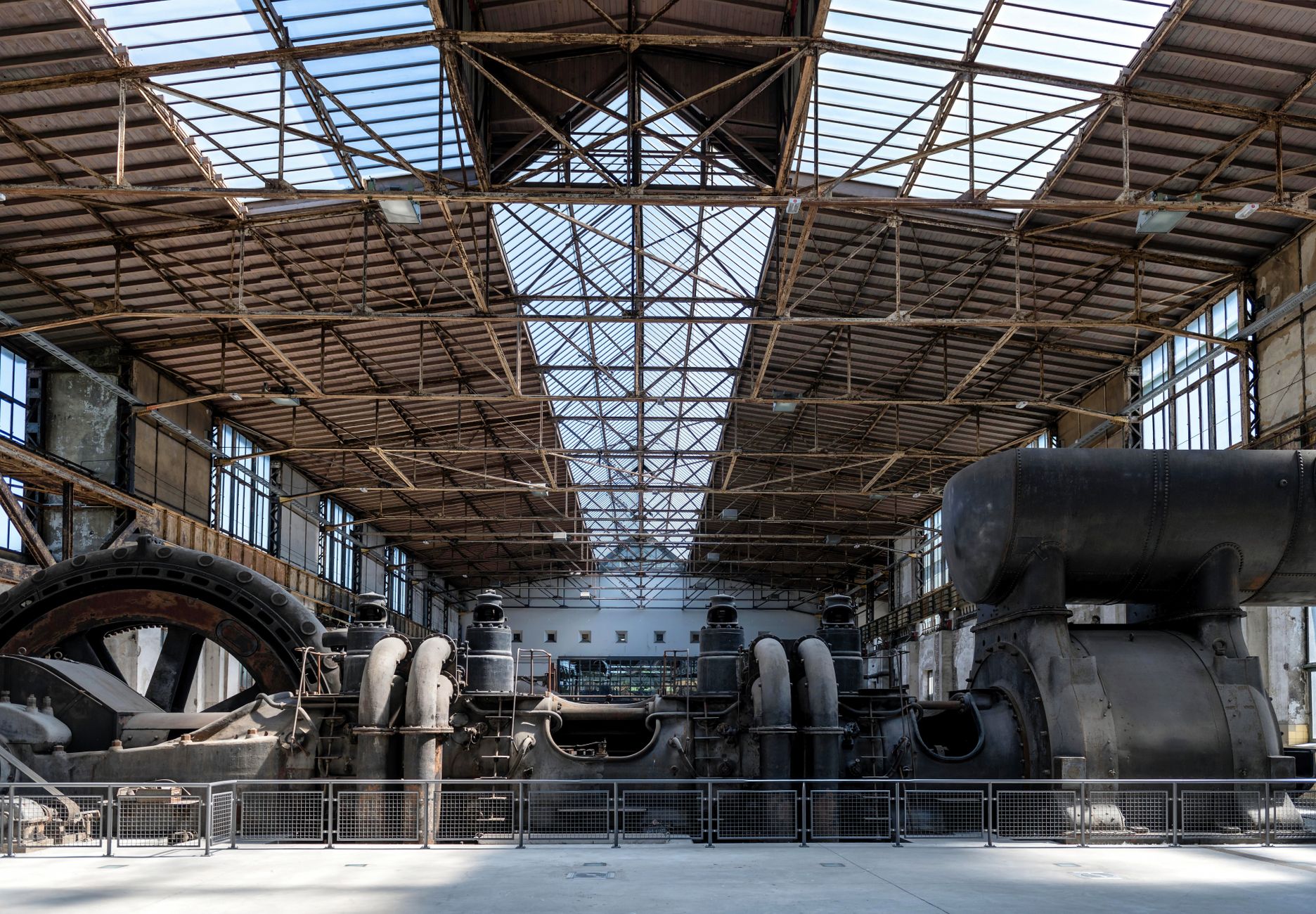
Before 1760, almost everything humans made was crafted by hand or powered by water, wind, or animals. In less than a century, Britain went from a mostly agricultural society to the world's first industrial superpower — and the rest of Europe and North America followed close behind. The engine behind that shift, quite literally, was steam: once James Watt's improved design made it efficient and reliable, steam power could run spinning machines, pump water out of mines, and eventually pull trains across entire continents.
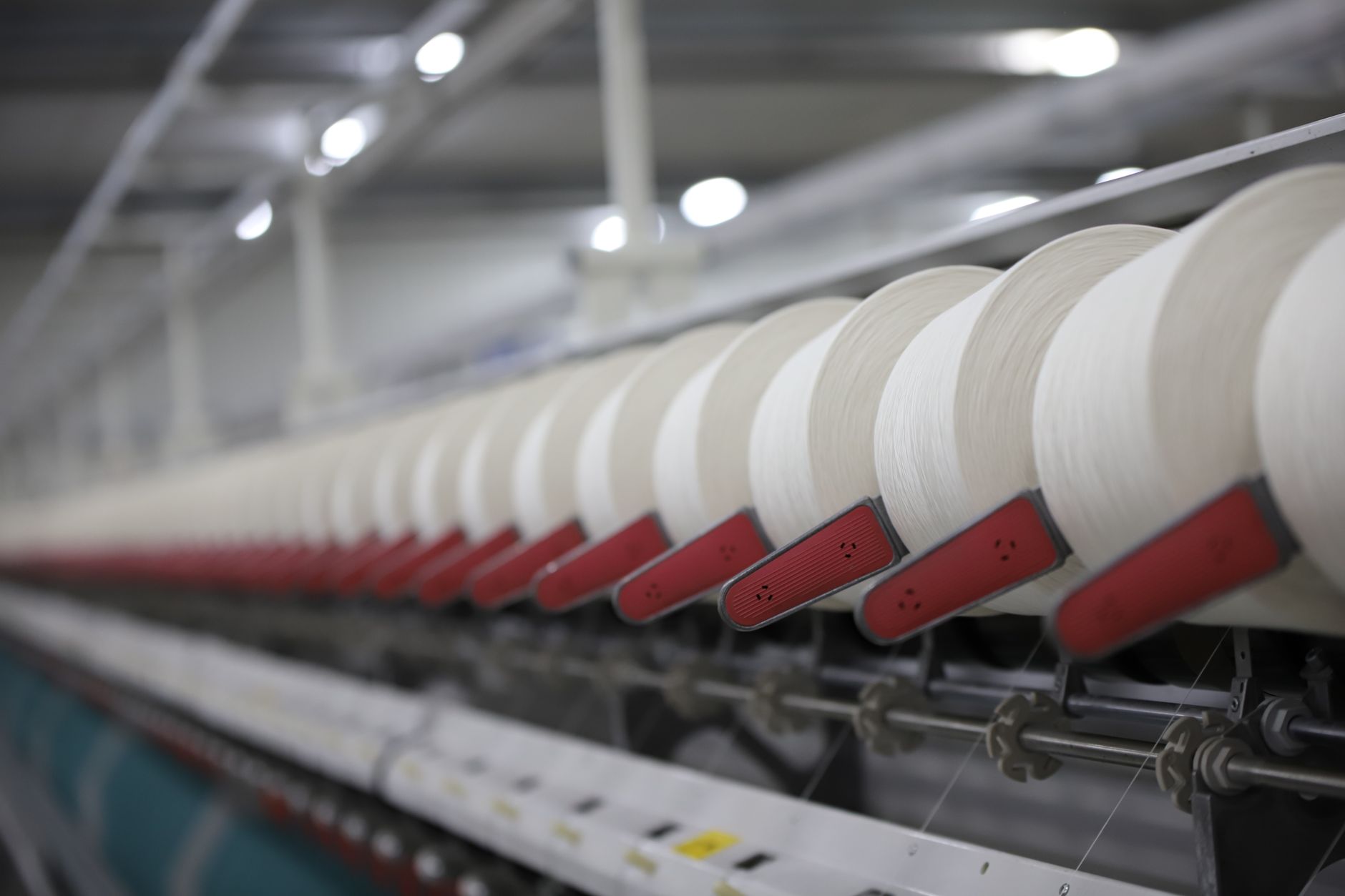
The textile industry is the best place to see the pattern that repeated across the whole era: a single clever invention (the spinning jenny, the power loom) made one worker dramatically more productive, which pulled thousands of families out of cottages and into factory towns. That migration created entirely new problems — overcrowded cities, dangerous machinery, and widespread child labor — that eventually forced governments to pass the first labor protection laws in history. If social upheaval and revolution are what fascinate you most, our Cold War Quiz and Renaissance Quiz cover two very different turning points shaped by the same tension between old power structures and new ideas.
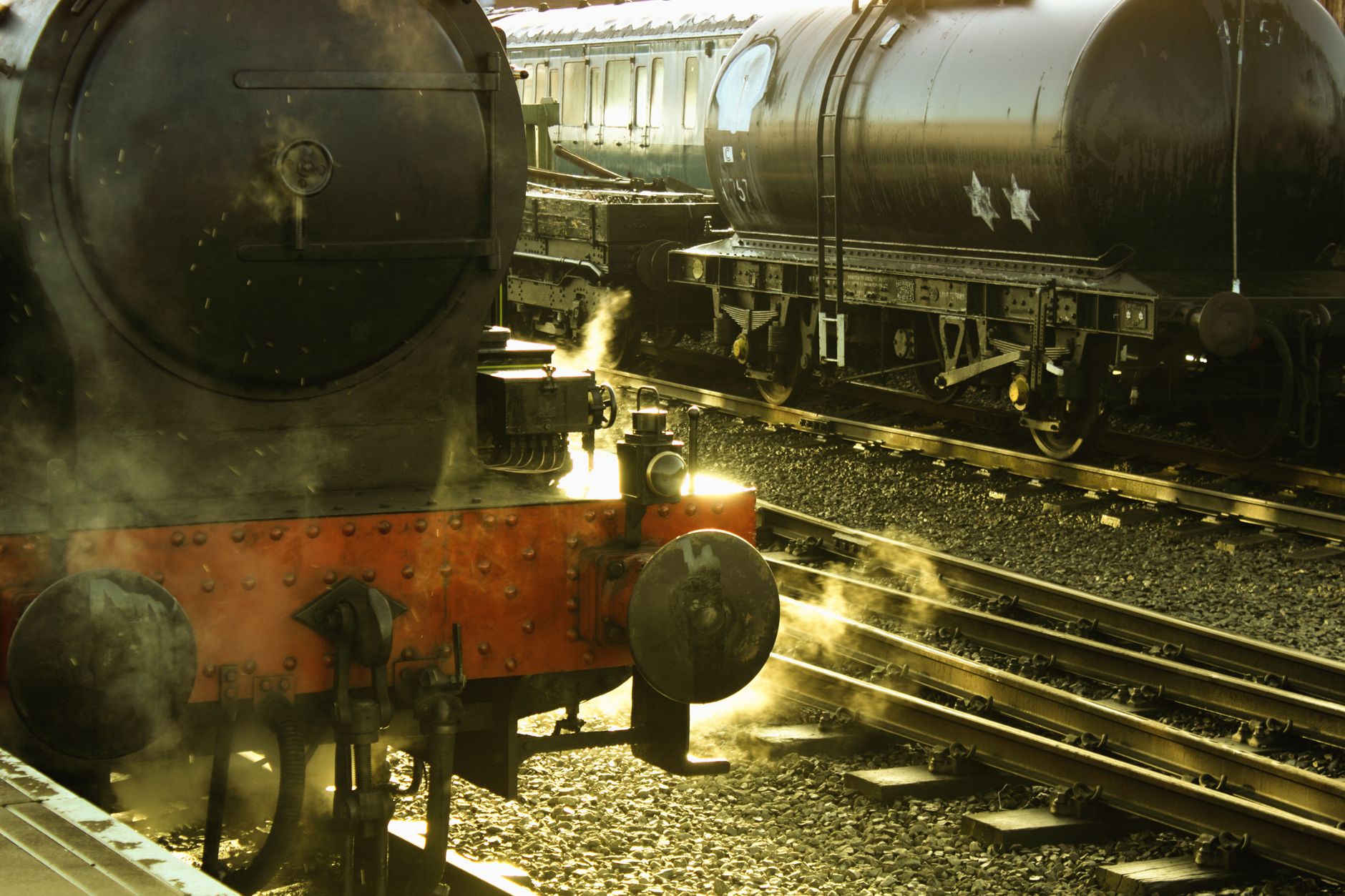
By the time the Second Industrial Revolution arrived in the 1870s, steel, electricity, and oil were powering an even faster wave of change — mass production, skyscrapers, and global trade networks that still shape the modern economy. If you want to see where that story began centuries earlier, our History Quiz and World War I Quiz connect the dots between industrial power and the conflicts it eventually fueled.
Answers Explained
Q: Why did the Industrial Revolution start in Britain and not somewhere else?
A: Britain combined abundant coal and iron, capital from trade and colonies, and a labor force freed up by earlier agricultural improvements.
Historians point to a unique mix: accessible coal deposits near iron ore, a stable financial system able to fund new ventures, legal protections for patents and property, and an agricultural revolution that increased food output while reducing the number of farm workers needed.
Q: How bad was child labor during the Industrial Revolution?
A: Severe — children as young as five worked 12-16 hour shifts in factories and mines.
Britain's Factory Act of 1833 was one of the first laws to limit child labor, banning children under nine from textile mills and limiting hours for older children, though enforcement was weak at first and reform took decades.
Q: What sparked the Second Industrial Revolution?
A: New technologies like the Bessemer steel process, electricity, and the internal combustion engine, roughly 1870-1914.
Cheap, mass-produced steel enabled skyscrapers, bridges, and railroads on a scale never seen before, while electricity and oil opened the door to assembly-line manufacturing and the modern factory.
Frequently Asked Questions
When did the Industrial Revolution start?
The Industrial Revolution began in Britain around 1760 and spread to Europe and North America through the 1800s, lasting roughly until 1840 in its first phase.
What was the most important invention of the Industrial Revolution?
James Watt's improved steam engine (1776) is widely considered the most transformative invention, since it powered factories, pumps, and eventually locomotives and ships.
Why did the Industrial Revolution start in Britain?
Britain had abundant coal and iron deposits, a stable banking system, colonial trade networks, and an agricultural revolution that freed up labor for factory work.
What were the negative effects of the Industrial Revolution?
Child labor, dangerous working conditions, overcrowded cities, and heavy pollution were major negative effects, eventually leading to labor reform laws.
What is the difference between the First and Second Industrial Revolution?
The First Industrial Revolution (1760-1840) was defined by steam power, textiles, and iron. The Second (1870-1914) added steel, electricity, oil, and mass production.